Why Is Hydration So Important After Nano Infusion Treatments?
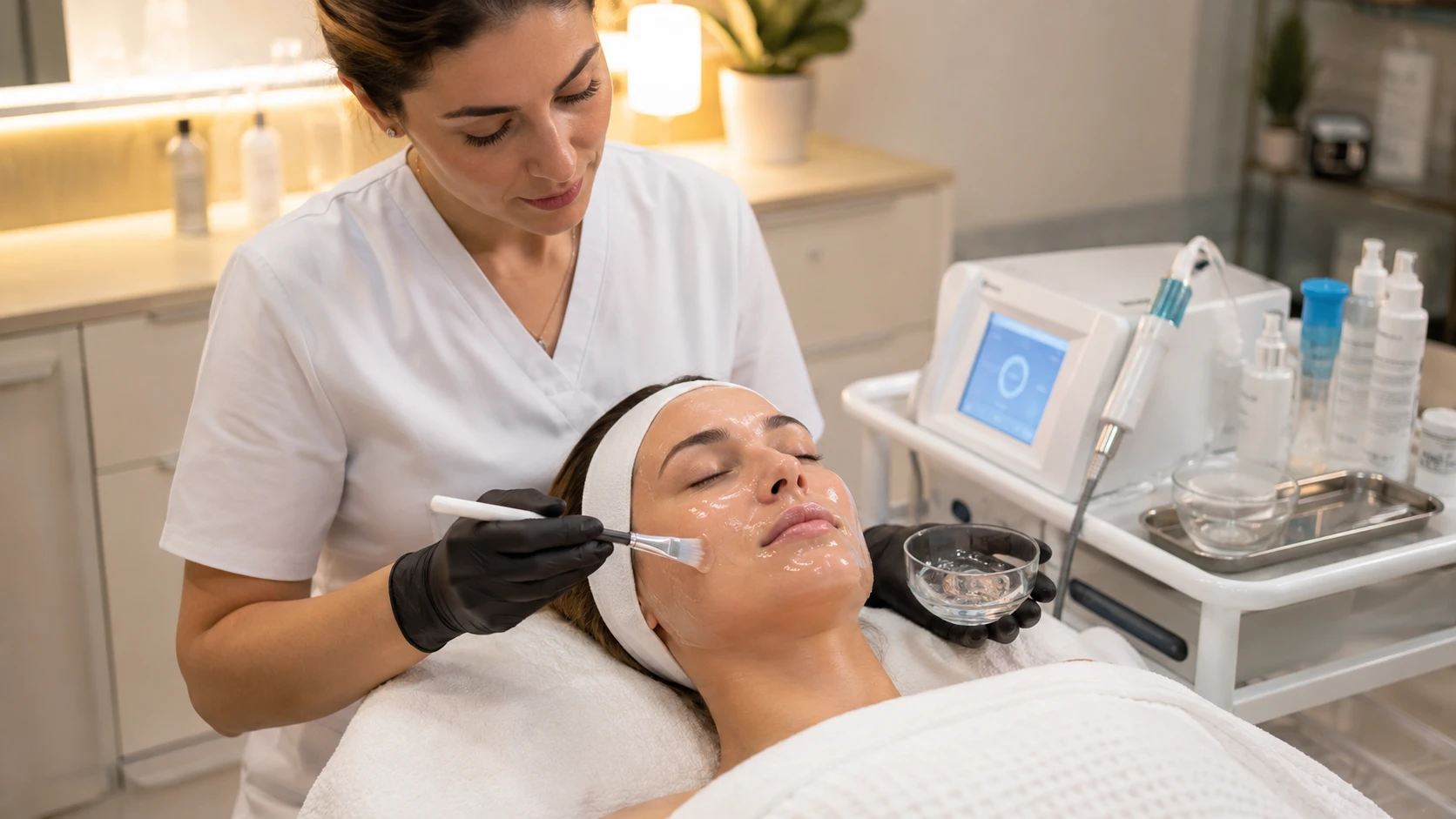
Hydration is critical after nano infusion because the microchanneling process temporarily disrupts the skin’s barrier function, increasing transepidermal water loss (TEWL) and leaving the skin in a vulnerable state where moisture evaporates faster than normal. Delivering hydrating actives immediately after treatment—while the microchannels are still open—maximises ingredient absorption and simultaneously establishes the occlusive barrier the skin needs to recover efficiently.
- Nano infusion creates thousands of micro-disruptions per second that transiently increase TEWL, reducing the skin’s ability to retain moisture for 24 to 48 hours post-treatment.
- The microchannels are most permeable within the first 5 to 15 minutes after treatment, making immediate hydration application the highest-leverage step in any nano infusion protocol.
- A two-layer approach—humectant serum applied first, followed by an occlusive mask—captures the absorption window and seals moisture in place during the critical recovery phase.
- Polyglutamic acid (PGA) and hyaluronic acid (HA) are the most effective humectant actives for post-nano infusion hydration due to their complementary depth-of-action and water-binding mechanisms.
- Clients who receive structured post-treatment hydration consistently report faster visible recovery, reduced tightness, and more pronounced brightening results compared to those where hydration is delayed or omitted.
- At-home hydration guidance for the 48 to 72 hours following treatment extends in-treatment recovery and directly improves client satisfaction and rebooking rates.
Among the many decisions an esthetician makes during a nano infusion treatment, the post-treatment hydration step is consistently the most underestimated. Device selection, serum choice, and pass technique receive significant attention in professional education—but the protocol applied in the final five to ten minutes of a nano infusion service has an outsized influence on both the speed of client recovery and the visibility of results. When this step is handled correctly, clients leave the treatment room with noticeably calmer, more luminous skin. When it is rushed or skipped, the very results the nano infusion was designed to produce can remain masked under surface dehydration for days.
The reason post-nano infusion hydration matters so profoundly comes down to barrier physics. The same nano-tip oscillation that opens microchannels for serum delivery also disturbs the continuous lipid matrix of the stratum corneum—the primary physical defence against water evaporation. Even though nano infusion is classified as a low-downtime, non-invasive treatment, its mechanism of action produces a temporary and measurable increase in transepidermal water loss. Left unaddressed, this elevated TEWL draws moisture out of the skin over the hours following treatment, creating the tightness, subtle flaking, and dulling that clients sometimes report after their first few sessions.
This article explains the biological basis for post-nano infusion hydration, examines why timing matters as much as ingredient selection, and provides a framework for building hydration protocols that extend the clinical value of every nano infusion service. Both the in-treatment and at-home phases of recovery are addressed, giving estheticians a complete picture of what the skin needs and when.
What Every Esthetician Should Know About Post-Nano Infusion Hydration
- Nano infusion transiently increases TEWL by disrupting the stratum corneum lipid matrix—even without causing visible trauma or downtime.
- The peak absorption window lasts approximately 5 to 15 minutes post-treatment; hydration applied after this window is clinically less effective.
- Humectants without an occlusive layer over them can draw moisture up to the surface and allow it to evaporate, worsening dehydration rather than correcting it.
- PGA and HA together create a complementary hydration system: HA hydrates at epidermal depth while PGA films the surface, inhibits hyaluronidase, and stimulates natural moisturising factors.
- Clients with pre-existing barrier impairment—rosacea-prone, sensitised, or chronically dehydrated skin—require structured occlusive hydration as a clinical necessity, not an optional add-on.
- At-home hydration instructions for the 48 to 72 hours following treatment are a direct extension of in-treatment recovery and should be communicated as part of standard aftercare.
- Underwhelming nano infusion results are frequently caused by inadequate post-treatment hydration rather than device or serum failure—identifying this pattern improves protocol outcomes significantly.
What Nano Infusion Does to the Skin’s Barrier—and Why It Matters for Hydration
To understand why hydration is so critical after nano infusion, it helps to understand exactly what the treatment does at the structural level of the skin. Nano infusion devices use a tip fitted with hundreds of silicon or stainless steel nano-pyramids that oscillate at high frequency across the skin surface. This action creates temporary microchannels through the stratum corneum—the outermost layer of the epidermis—dramatically enhancing the absorption of serums applied during treatment. Unlike microneedling, nano infusion does not penetrate into the dermis; its mechanical action is confined to the epidermal surface. This is why it carries minimal downtime and no bleeding risk. However, that same surface action has a consequence that is easy to overlook: it temporarily compromises the continuous lipid film that normally acts as the skin’s primary defence against moisture loss.
Transepidermal Water Loss and the Compromised Stratum Corneum
The stratum corneum functions as a selectively permeable membrane. In healthy, intact skin, tightly packed corneocytes embedded in a lamellar lipid matrix—composed primarily of ceramides, fatty acids, and cholesterol—create a physical barrier that slows the passive evaporation of water from deeper skin layers into the environment. This process, known as transepidermal water loss, is always occurring at a low baseline rate. When the stratum corneum is intact, TEWL is kept within a range that allows normal skin function without dehydrating the tissue. When the stratum corneum is physically disrupted—by exfoliation, chemical peels, microneedling, or nano infusion—this lipid matrix is interrupted, and TEWL accelerates.
In the context of nano infusion, the elevation in TEWL is modest compared to procedures that break the dermal barrier, but it is real and measurable. Studies on superficial barrier disruption consistently show that even minor stratum corneum disruption produces a statistically significant increase in TEWL that persists for 12 to 48 hours as the barrier gradually reseals. During this window, the skin is in a physiological state where it loses moisture faster than it can replenish it through internal mechanisms alone. External hydration—applied at the right time with the right ingredients—is the only way to compensate for this temporary deficit and support efficient barrier restoration.
The Ingredient Science Behind Effective Post-Treatment Hydration
Not all hydrating ingredients work the same way, and understanding their mechanisms is essential for building post-nano infusion protocols that actually deliver measurable results. The two most relevant categories are humectants—which attract and bind water molecules—and occlusives—which form a physical barrier over the skin surface to prevent evaporation. Both are required after nano infusion; using only one category produces incomplete hydration that does not persist through the recovery period.
Humectants: Drawing Water into the Skin
Hyaluronic acid is the most widely recognised post-treatment humectant. Its polysaccharide chains carry an enormous negative charge that attracts and binds water molecules at a ratio of approximately 1,000 times its own weight. When HA is applied to skin immediately after nano infusion, it penetrates into the epidermis through the open microchannels and begins drawing water from the dermis upward into the epidermal layers where nano infusion has concentrated its mechanical action. The limitation of HA used alone is that it can also draw water from the environment in reverse if the air is dry—pulling moisture out of the skin rather than into it—which is why an occlusive layer over the top is non-negotiable in low-humidity treatment room environments.
Polyglutamic acid has emerged as a complementary and, in some mechanisms, superior humectant for post-treatment applications. Unlike HA, which primarily hydrates at epidermal depth, PGA forms a microgel film at the stratum corneum surface. This film has two additional functions beyond water binding: it actively inhibits hyaluronidase, the enzyme responsible for degrading both applied and endogenous HA, which extends the duration of hydration well beyond what HA alone achieves; and it stimulates natural moisturising factor components—specifically pyrrolidone carboxylic acid, lactic acid, and urocanic acid—within the stratum corneum, supporting the skin’s own long-term hydration mechanisms.
How PGA and HA Work Together to Maximise Post-Nano Infusion Hydration
Hyaluronic acid hydrates at epidermal depth, binding water molecules at approximately 1,000× its weight and drawing moisture into the stratum corneum and upper epidermis through the open microchannels created by nano infusion. Polyglutamic acid operates at the surface of the stratum corneum, binding water at up to 5,000× its weight while forming a protective microgel film.
The PGA film simultaneously inhibits hyaluronidase—the enzyme that breaks down HA—protecting both applied HA and the skin’s naturally occurring HA from enzymatic degradation. This extends the effective hydration period well beyond what either ingredient achieves independently. PGA also stimulates NMF components (PCA, lactic acid, urocanic acid) in the stratum corneum, reinforcing the skin’s intrinsic hydration capacity over time.
When combined with an occlusive agent such as an alginate-based jelly matrix, this dual-humectant system achieves complete hydration coverage: deep delivery via HA, surface retention via PGA film, and evaporation prevention via occlusion—all three layers working simultaneously during the critical post-treatment window.
Timing the Hydration Step: Why the Absorption Window Defines Protocol Success
Of all the variables in a post-nano infusion hydration protocol, timing is the one most frequently mismanaged. Many estheticians apply post-treatment products at a comfortable pace—rinsing residual serum, noting observations in the client record, or discussing aftercare before reaching for the hydration mask. This is understandable from a workflow perspective, but it costs the client and the protocol a meaningful portion of its hydration potential. The microchannels opened by nano infusion begin to reseal within minutes of the treatment pass ending, and the absorption advantage they confer diminishes with each passing minute.
Understanding the timeline of microchannel closure—and building a protocol that delivers key hydrating actives before that closure is complete—is the single most impactful adjustment most estheticians can make to their nano infusion service.
Building the Protocol Around the Absorption Window
In practice, capturing the absorption window requires a workflow adjustment that many estheticians find counterintuitive at first. The instinct after completing any treatment pass is to assess the skin, note the client’s response, and prepare for the next step in a measured and unhurried way. For post-nano infusion hydration, this approach needs to be reversed: the hydration step should be prepared before the treatment pass begins so that application can happen immediately after the final pass ends. Serums should be at room temperature and ready to dispense. The hydration mask should be mixed and waiting. The moment the nano infusion handpiece is set down is the moment the clock starts.
The most consistent workflow adjustment that improves post-nano infusion outcomes is preparing the hydration step before the treatment begins, not after. In treatment rooms where the Poly-Luronic™ Jelly Mask is used as the post-treatment occlusive step, estheticians mix the jelly before starting the nano infusion pass so that it is ready to apply within sixty seconds of the final pass ending. The cooling temperature of the freshly mixed jelly against the skin immediately following nano infusion is something clients notice and comment on consistently—it provides a tactile signal of recovery beginning that sheet masks and cream masks simply do not replicate. By contrast, estheticians who apply the jelly five to ten minutes after the pass—often because mixing was deferred—tend to report that clients describe their skin as slightly tight or uncomfortable during the transition period, which is a direct indicator that TEWL has been allowed to progress before the occlusive seal was established. The serum-then-jelly sequencing—humectant first while channels are maximally open, occlusive immediately after to lock it in—is what separates a protocol that delivers visible 24-hour results from one that delivers only modest improvement.
Six Common Post-Nano Infusion Hydration Mistakes—and How to Correct Them
Even experienced estheticians can fall into patterns that reduce the effectiveness of post-nano infusion hydration. The following six practice errors are among the most frequently observed in professional treatment settings. Each represents a specific protocol gap with a direct corrective adjustment.
Delaying Hydration Application
Waiting more than two minutes after the final nano infusion pass to apply a serum or mask allows the absorption window to narrow significantly. Prepare all post-treatment products before beginning the treatment pass so they can be applied within sixty seconds of completion.
Applying Humectant Without Occlusion
Using a hyaluronic acid serum without an occlusive layer over the top can draw water to the skin surface and allow it to evaporate—a process that worsens dehydration in low-humidity environments. Always follow a humectant application with an occlusive mask or barrier cream.
Removing the Mask Too Early
Some estheticians remove the post-treatment mask after five to eight minutes due to time pressure. The minimum effective dwell time for most occlusive masks is fifteen to twenty minutes. Removing too early cuts the occlusion phase short before meaningful TEWL suppression and ingredient absorption are complete.
Using Active Ingredients Post-Treatment
Applying serums containing retinoids, vitamin C, exfoliating acids, or other active ingredients immediately after nano infusion can trigger irritation or sensitisation in the temporarily compromised barrier. Post-treatment serums should be limited to barrier-safe humectants and calming ingredients such as centella asiatica and aloe vera.
Skipping At-Home Hydration Guidance
TEWL remains above baseline for 24 to 48 hours post-treatment. Estheticians who do not provide clear at-home hydration instructions leave clients managing the recovery phase without guidance, which frequently results in suboptimal outcomes and unnecessary discomfort that undermines client confidence in the treatment.
Using the Same Protocol for All Skin Types
Clients with barrier-impaired, rosacea-prone, or severely dehydrated skin require a more intensive occlusive hydration protocol than healthy, resilient skin types. Applying a standard hydration step to these clients without adjusting the occlusive duration or ingredient selection produces inferior recovery and higher rates of post-treatment sensitivity complaints.
Communicating Hydration Importance to Clients—and Building Retention Around It
One of the most underused tools in an esthetician’s post-nano infusion workflow is the client education conversation. Most clients leave a nano infusion treatment without a clear understanding of what is happening to their skin over the next 48 hours or why their product choices during that window matter. When this conversation is skipped, clients make uninformed decisions—applying exfoliating toners, returning to their regular retinoid routine, or simply not moisturising adequately—that actively undermine the results of the professional treatment they have just paid for.
Explaining the TEWL concept in accessible language takes under two minutes and consistently improves both client compliance and treatment satisfaction. A straightforward framing that resonates well in practice: “The treatment we just did opens tiny channels in the outer layer of your skin to deliver ingredients deeper than they could normally reach. For the next 48 hours, those channels are resealing and your skin is rebuilding its moisture barrier. Everything you put on your skin—or don’t put on it—during that window directly affects how good your results look in 24 to 48 hours.” This framing gives clients a concrete reason to follow aftercare instructions rather than simply being told what to do.
Post-Treatment Hydration as a Retail Conversation
The post-treatment hydration education conversation is also a natural and non-pressured entry point for a retail recommendation. When clients understand that their at-home hydration choices in the 48 hours post-treatment are clinically meaningful, the recommendation of a specific gentle HA serum and barrier moisturiser shifts from a sales interaction to a clinical recommendation with direct relevance to their outcome. Estheticians who frame retail this way—as an extension of the professional protocol rather than an add-on—report consistently higher retail conversion rates and stronger client trust scores.
Tracking Hydration Protocol Outcomes Across the Client Roster
Documenting post-treatment hydration protocols and client-reported recovery experiences creates a valuable data set over time. Tracking which clients report faster versus slower recovery, which skin types respond best to extended mask dwell times, and which at-home product combinations produce the best 48-hour results allows estheticians to refine their protocols evidence-based over time—moving beyond manufacturer guidelines to develop a protocol personalised to their specific client population. This kind of systematic observation is what separates a practitioner who performs treatments from one who continuously improves them.
Professional and Scientific References
The clinical rationale presented in this article draws on published research in transepidermal water loss, stratum corneum barrier disruption, humectant mechanisms, and post-procedure skin recovery, as well as professional consensus from dermatology and esthetic practice literature.
- Fluhr JW, Darlenski R, Surber C. Glycerol and the skin: holistic approach to its origin and functions. British Journal of Dermatology, 2008. Foundational reference on transepidermal water loss physiology and humectant mechanisms in barrier recovery.
- Darlenski R, Fluhr JW. Influence of skin type, wetness, age, sex, and anatomic location on barrier function, stratum corneum chemistry, thickness, and morphology in resting and acutely barrier-disrupted skin. British Journal of Dermatology, 2012. Provides data on stratum corneum recovery timelines following mechanical disruption.
- Lodén M. Role of topical emollients and moisturizers in the treatment of dry skin barrier disorders. American Journal of Clinical Dermatology, 2003. Establishes the clinical rationale for occlusive treatments in post-procedure barrier repair protocols.
- Papakonstantinou E, Roth M, Karakiulakis G. Hyaluronic acid: a key molecule in skin aging. Dermato-Endocrinology, 2012. Documents HA mechanisms including epidermal penetration depth, water-binding capacity, and hyaluronidase-mediated degradation.
- Stern R, Maibach HI. Hyaluronan in skin: aspects of aging and its pharmacologic modulation. Clinics in Dermatology, 2008. Supports the application rationale for PGA as a hyaluronidase inhibitor in post-treatment protocols.
For estheticians building a structured post-nano infusion hydration protocol, the combination of a targeted humectant serum followed immediately by an alginate-based occlusive mask represents the clinical standard. The Poly-Luronic™ Jelly Mask is formulated specifically to address the two concurrent demands of post-treatment skin: suppressing TEWL through an alginate occlusive matrix and delivering dual-depth hydration through the complementary PGA–HA system. PGA’s surface-film action and hyaluronidase inhibition extend the effective hydration period well beyond what standard HA serums achieve alone, while the cooling application temperature provides the immediate sensory recovery signal that distinguishes a premium post-treatment experience. For treatment rooms seeing nano infusion clients across a range of skin types—including barrier-impaired, sensitised, and mature skin—the Poly-Luronic™ Jelly Mask offers a single post-treatment solution that addresses both the clinical hydration requirement and the client experience quality expected in a professional setting.
Explore the Poly-Luronic™ Jelly Mask Line →Frequently Asked Questions: Post-Nano Infusion Hydration
Why does skin get so dehydrated after nano infusion?
Skin becomes temporarily dehydrated after nano infusion because the microchanneling process disrupts the outermost layers of the stratum corneum, which normally act as the primary physical barrier against water evaporation. Even though nano infusion is far less invasive than microneedling, the nano-tip oscillation creates thousands of microscopic surface disruptions per second. This transiently increases transepidermal water loss (TEWL), meaning the skin loses moisture into the environment at a much faster rate than usual. Without an immediate hydration and occlusive protocol in place, clients can experience tightness, flaking, and compromised barrier function in the hours following treatment. The disruption window is typically short—most barrier integrity is restored within 24 to 48 hours—but the hydration delivered in that window directly determines how well skin recovers and how prominently treatment results appear.
How soon after nano infusion should hydration be applied?
Hydration should be applied immediately after the active nano infusion pass is complete—ideally within 60 to 90 seconds. The microchannels created by nano infusion are most permeable in the first few minutes following treatment, which means this window offers the highest absorption potential for hydrating actives such as hyaluronic acid and polyglutamic acid. Waiting longer allows TEWL to begin drawing moisture out of the skin before any occlusive barrier is established. Professional practice consistently shows that clients who receive immediate post-treatment hydration report significantly less tightness and improved comfort compared to those where hydration is delayed even five to ten minutes. Applying a serum layer first, followed quickly by an occlusive hydration mask, captures the absorption window while simultaneously sealing the surface against further moisture loss.
Does hydration actually change the results clients see after nano infusion?
Yes—post-treatment hydration has a measurable impact on visible client outcomes from nano infusion. When the skin is adequately hydrated during the recovery phase, cellular repair processes operate more efficiently, inflammation resolves faster, and the brightening and plumping effects of the treatment become more pronounced within 24 to 48 hours. Conversely, when post-treatment hydration is neglected, clients frequently report that their skin looks dull or slightly flaky for several days, which masks the positive results of the nano infusion itself. Many clients—and estheticians—have mistakenly attributed underwhelming nano infusion outcomes to the device or the serum when the actual variable was inadequate post-treatment hydration. Building a structured hydration step into every nano infusion protocol is one of the highest-leverage adjustments an esthetician can make to consistently improve client satisfaction and repeat bookings.
What ingredients work best for post-nano infusion hydration?
The most effective post-nano infusion hydration uses a two-layer approach: a humectant serum applied first to draw moisture into the newly opened microchannels, followed immediately by an occlusive treatment to seal that moisture in place. Hyaluronic acid (HA) is the most widely used humectant for this purpose due to its capacity to bind up to 1,000 times its weight in water within the epidermis. Polyglutamic acid (PGA) is increasingly favoured as either a complement or alternative to HA because it forms a surface film that actively inhibits hyaluronidase—the enzyme that breaks down HA—while simultaneously stimulating natural moisturising factor components in the stratum corneum. Ingredients such as ceramides and fatty acids support the lipid matrix of the barrier, while aloe vera and centella asiatica address post-treatment inflammation. Occlusives including alginate, jelly-matrix formulations, and petrolatum-adjacent ingredients lock the entire hydration system in place during the critical recovery window.
Is an occlusive mask necessary after nano infusion or is a serum enough?
A serum alone is generally not sufficient after nano infusion because serums are formulated to deliver actives but not to provide meaningful occlusion. Without an occlusive layer on top, a significant portion of the humectant ingredients applied post-treatment will draw moisture from deeper skin layers toward the surface—and then allow it to evaporate into the air rather than retaining it in the skin. This is particularly relevant immediately after nano infusion when TEWL is elevated and the barrier is temporarily compromised. An occlusive mask—whether a jelly-format mask, an alginate mask, or a dense cream—creates a physical seal over the serum layer that traps both the applied actives and the skin’s own moisture. Clinical observation consistently shows that the serum-plus-occlusive combination produces noticeably superior hydration retention and faster visible recovery compared to serum application alone.
How long does the skin’s increased absorption window last after nano infusion?
The peak absorption window after nano infusion is widest in the first 5 to 15 minutes following the treatment pass, when the microchannels are still fully patent and the stratum corneum has not yet begun to reseal. During this period, the delivery of hydrating actives such as hyaluronic acid, polyglutamic acid, and peptides is significantly more efficient than at baseline. Beyond 15 to 20 minutes, the channels begin to close as the skin’s natural repair mechanisms activate, and absorption progressively returns toward pre-treatment levels. By approximately 60 to 90 minutes post-treatment, the majority of microchannels have closed. This is why the immediate application of a serum followed by an occlusive mask—ideally within the first minute after the active pass—is emphasised so strongly in professional nano infusion protocols. Practitioners who wait to apply post-treatment products while they conduct a consultation or prepare retail items are missing the window that maximises client outcomes.
Can skipping hydration after nano infusion cause any harm to the skin?
While skipping post-treatment hydration after nano infusion is unlikely to cause serious harm in healthy skin, it can result in measurably worse recovery and client experience. The most common consequences include prolonged tightness, mild surface flaking or rough texture in the 24 to 48 hours following treatment, and a delay in the visible skin-brightening and plumping results that clients expect. In clients with pre-existing barrier impairment—such as those with rosacea-prone, chronically dehydrated, or sensitised skin—skipping hydration can exacerbate irritation and increase the risk of post-treatment redness persisting beyond a normal timeframe. For these skin types in particular, a structured occlusive hydration protocol is not optional but clinically essential. From a professional standpoint, inadequate hydration protocols are one of the most common reasons clients report dissatisfaction after an otherwise technically correct nano infusion treatment.
Should clients keep their skin hydrated at home after nano infusion too?
Yes—at-home hydration in the 48 to 72 hours following nano infusion is an important extension of the in-treatment recovery protocol. Estheticians should instruct clients to apply a gentle, fragrance-free hyaluronic acid serum followed by a barrier-supportive moisturiser twice daily during this window. Clients should avoid anything that disrupts the barrier further, including exfoliating acids, retinoids, active serums, and prolonged sun exposure without broad-spectrum SPF. Gentle hydration—applied consistently and without active ingredients that could irritate the temporarily sensitised skin—maintains the TEWL suppression established in the treatment room and allows the visible results of nano infusion to develop fully. Estheticians who take the time to explain this home care rationale clearly consistently report higher client satisfaction scores and stronger treatment rebooking rates.
How does the Poly-Luronic™ Jelly Mask support post-nano infusion hydration specifically?
The Poly-Luronic™ Jelly Mask is formulated with both polyglutamic acid (PGA) and hyaluronic acid (HA) within an alginate-based jelly matrix, which makes it particularly well-suited for post-nano infusion hydration. The alginate sets into a flexible occlusive film over the skin, suppressing TEWL and creating the sealed environment needed to retain both the mask’s own actives and any serum applied beneath it. PGA in the formula works at the stratum corneum surface to inhibit hyaluronidase, protecting HA from enzymatic degradation and extending the duration of hydration beyond what HA alone achieves. Simultaneously, PGA stimulates natural moisturising factor components including pyrrolidone carboxylic acid and lactic acid, reinforcing the skin’s own hydration mechanisms. The cooling temperature of the freshly mixed jelly further calms the mild post-treatment warmth and sensitivity clients often experience immediately after nano infusion, making the overall recovery experience noticeably more comfortable while delivering clinically meaningful hydration during the most critical window.
Post-Nano Infusion Hydration Is a Protocol Decision, Not an Afterthought
The evidence is consistent: what happens to a client’s skin in the five minutes immediately following a nano infusion treatment has an outsized influence on both the speed and quality of their recovery. Elevated TEWL, temporarily disrupted stratum corneum function, and a narrow absorption window all converge in the post-treatment period to create a moment where the correct protocol decision—immediate humectant application followed by occlusive sealing—produces meaningfully better outcomes than a delayed or incomplete approach.
For estheticians, the practical implication is clear: post-treatment hydration should be planned, prepared, and sequenced with the same precision as the nano infusion pass itself. This means having products ready before the treatment begins, understanding why each ingredient in the post-treatment step is there, and communicating the at-home continuation of that protocol to every client before they leave the treatment room. When this is done consistently, the results that nano infusion is capable of producing become reliably visible—and clients come back.
The broader principle that post-nano infusion hydration reinforces applies across the full spectrum of professional skin treatments: barrier recovery is not passive. It is an active process that the esthetician either supports with the right protocol or leaves to chance. In a professional setting, leaving clinical outcomes to chance is not a standard to aim for.