Professional Microneedling and Nano-Infusion Devices Compared: Real Costs for Estheticians
Choosing a professional microneedling device for your esthetics practice is a business decision before it is a clinical one. The device sets your cost per treatment, your service menu, and whether you can offer a needle-free nano-infusion option to clients who will not accept downtime. Most buying guides list features and stop there. This one publishes what each system actually costs, where pricing is quote-only, and what you will spend on cartridges after the purchase.
The seven devices below are the systems licensed estheticians and med spa owners shortlist most often in the United States. Each was assessed on six criteria that drive a treatment room’s economics: published price, needle depth range, motor speed, cartridge cost, regulatory clearance, and included training or warranty. Specifications come from each manufacturer’s own documentation as of September 2026. Where a manufacturer does not publish a price, that is stated plainly rather than filled in with a guess.

ABOUT THE AUTHOR
Written by Katelyn Fitzgerald
Master Esthetician · Founder & CEO, Luminous Skin Lab
This guide combines Katelyn Fitzgerald’s professional experience in advanced esthetics, microneedling and nano-infusion with evidence from trusted clinical and scientific sources to provide accurate, practical skincare guidance.
What Makes a Device “Professional Grade” Rather Than Consumer?
A professional microneedling device is built for repeat clinical use: single-use sterile cartridges, a motor rated for continuous operation, a verified cartridge system, and depth control that holds its setting under skin resistance. Consumer pens use the same mechanism but are not designed for daily multi-client use, and most carry no clearance for treating scars or wrinkles. Three features separate the categories in practice:
- Cartridge verification. Clinical systems reject counterfeit or reused cartridges. SkinPen uses digital cartridge recognition through SkinPen Connect.
- Depth stability under load. A pen that drifts from 1.5 mm to 0.8 mm mid-pass produces inconsistent results across a face.
- Continuous-duty motors. Brushless digital motors, used in the Rejuvapen NXT, tolerate back-to-back appointments that burn out hobby-grade motors.
What Is Nano-Infusion, and Why Does It Matter for Estheticians?
Nano-infusion, also called micro-channeling, uses sphere-shaped tips instead of needles to create temporary micro-openings in the stratum corneum. It increases product absorption without piercing the dermis, so it produces no bleeding and effectively no downtime.
This matters for scope of practice. In many US states, needle depths that reach the dermis fall outside an esthetician’s license and require a nurse, PA or physician. Nano-infusion generally sits within esthetician scope, which is why a dual-function device gives a solo practitioner a service she can perform herself on day one. Confirm your state board rules before setting any depth protocol.
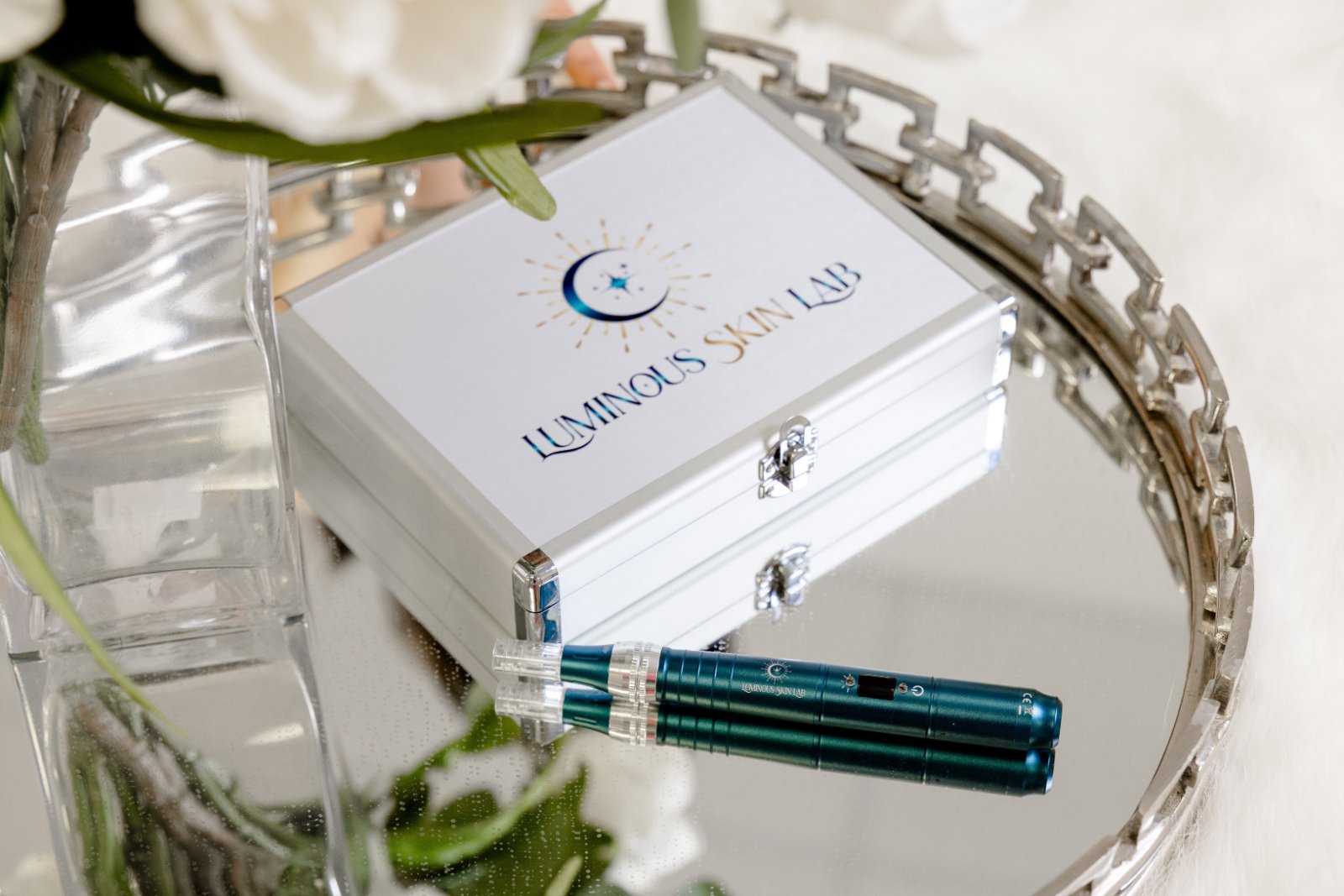
1. ILUMIPEN® by Luminous Skin Lab
Published price: $699, including 10 tips and free shipping
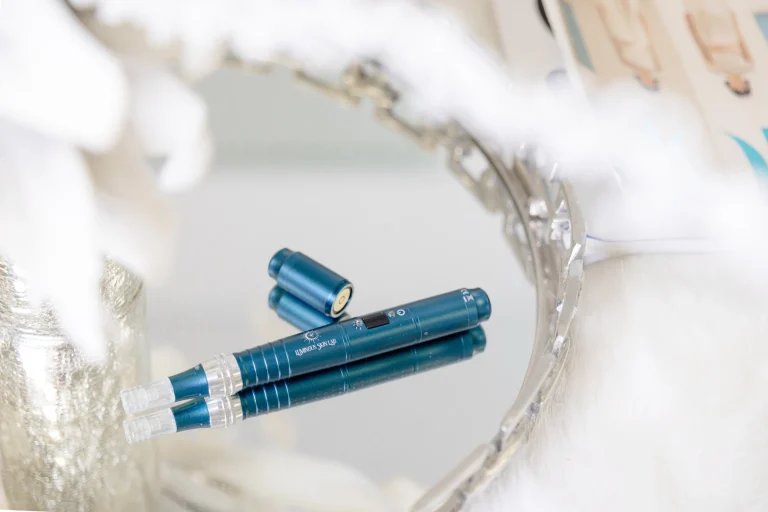
The ILUMIPEN® is built around dual function. It runs microneedling with fine-needle cartridges and nano-infusion with sphere-shaped nano-tips, so one purchase covers both a no-downtime express service and a full collagen induction protocol. It offers 7 adjustable speeds and 8 cartridge options, five for microneedling and three for nano-infusion, with replacement tips sold in 25-packs. The device carries a three-year warranty.
A $699 entry point with tips included means the device can pay for itself inside the first few treatments rather than the first quarter. Luminous Skin Lab sells professional-only, so a verified license is required to open an account, and buyers get access to the brand’s Esthetician Education Portal.
Best for: solo estheticians, new treatment rooms, and practices adding nano-infusion to an existing facial menu. Trade-off: treatment depth is set by the cartridge you choose rather than a single published range; the cartridge guide on the ILUMIPEN page matches each cartridge to a treatment area. ILUMIPEN is not FDA-cleared, so market it for nano-infusion and microneedling services rather than named scar or wrinkle indications.

2. Collagen P.I.N.
Published price: $4,995 for the device kit
Collagen P.I.N. publishes its price openly, which is rare in this category. The kit includes the device, 12 cartridges, training and marketing support, and a lifetime warranty. Specifications are strong: an adjustable 0.1 to 3.0 mm depth range, a maximum of 9,000 RPM, and a 36-pin cartridge the manufacturer states produces up to 5,400 microchannels per second. It is battery powered and FDA-cleared for the appearance of facial acne scars in Fitzpatrick types I through III in patients aged 22 and older.
Best for: medical spas and provider-led practices that want a published price and a lifetime warranty. Trade-off: the highest published entry cost here, and cartridge pricing is not listed publicly.
3. SkinPen Precision by Crown Aesthetics
Typical clinic investment: reported around $7,500 with treatment kits
SkinPen was the first FDA-cleared microneedling device, and that clearance is why it commands its price. It is cleared for the appearance of facial acne scars across all Fitzpatrick types and neck wrinkles in types II through IV. Depth runs 0.25 to 2.5 mm, needles stay sharp for at least 80 minutes on scar tissue per the manufacturer, and the Elite Cartridge Unit twists to lock with active needle retraction. Crown Aesthetics does not publish pricing; one clinic owner reported paying roughly $7,500 for a Precision Elite with 18 treatment kits.
Best for: medical spas selling acne scar revision as a named, clearance-backed protocol. Trade-off: highest acquisition cost, quote-only pricing, and a proprietary cartridge system that locks in your consumable supplier.
4. SkinStylus SteriLock
Price: quote only
SkinStylus holds one of the broader clearance sets in the category: facial acne scars in Fitzpatrick types I through III in patients 22 and older, plus abdominal surgical and traumatic scars. Depth runs 0.0 to 2.5 mm. The SteriLock Quick Start package includes corded and cordless configurations, a motor and two nosecones, a carrying case, speed controller, two lithium-ion batteries, three cartridges in 12-pin, 36-pin and 36-pin HiLo, and a two-year warranty.
Best for: practices treating body scarring as well as facial work. Trade-off: no published price, so budgeting requires a sales call.
5. Dermapen 4
Price: quote only, varies by distributor and region
Dermapen 4 offers a 0.2 to 3.0 mm depth range and a stated delivery rate of 1,920 channels per second, with corded and cordless operation. Regulatory status varies by market, so verify clearance for your specific region rather than assuming a US clearance applies.
Best for: practices that want deep-end capability at 3.0 mm with a widely recognised brand. Trade-off: distributor-dependent pricing and region-dependent clearance make the total cost harder to pin down before you commit.
6. Rejuvapen NXT
Price: professional login required
The Rejuvapen NXT is an FDA-cleared Class II device indicated for facial wrinkles. It uses a brushless digital motor, nine speed settings, an adjustable dial for depth control, and includes professional training. Pricing sits behind a professional account login, which signals the manufacturer is enforcing professional-only distribution.
Best for: wrinkle-focused protocols where a Class II clearance for facial wrinkles supports your consent paperwork. Trade-off: no public pricing and a narrower published indication than the scar-focused systems.
7. Dr. Pen A20 and M8S
Published price: $599 for the A20, $299 for the M8S
Dr. Pen sells openly online, with the A20 positioned for professional use at $599 and the M8S at $299. Depth on the M8 series runs 0.25 to 2.5 mm with six speed levels, corded or cordless.
Best for: training, practice, or a backup device. Trade-off: a crowded grey market of counterfeit units means buying only through the official channel matters.
Device Comparison at a Glance
| Device | Published price | Depth range | Speed | FDA clearance |
|---|---|---|---|---|
| ILUMIPEN® | $699 with 10 tips | Cartridge dependent | 7 speeds | None |
| Collagen P.I.N. | $4,995 kit | 0.1 to 3.0 mm | Up to 9,000 RPM | Facial acne scars, FST I to III |
| SkinPen Precision | Quote (~$7,500 reported) | 0.25 to 2.5 mm | Not published | Acne scars all FST, neck wrinkles FST II to IV |
| SkinStylus SteriLock | Quote only | 0.0 to 2.5 mm | Not published | Facial acne scars FST I to III, body scars |
| Dermapen 4 | Quote only | 0.2 to 3.0 mm | 1,920 channels/sec | Verify per region |
| Rejuvapen NXT | Pro login | Adjustable dial | 9 speeds | Class II, facial wrinkles |
| Dr. Pen A20 / M8S | $599 / $299 | 0.25 to 2.5 mm | 6 levels | None |
FST = Fitzpatrick skin type.
What Does a Microneedling Treatment Actually Cost You to Run?
Device price is the smaller number over a device’s life. Your recurring cost per treatment is the cartridge plus disposables: gloves, gauze, antiseptic, numbing cream, post-treatment serum and a recovery mask, plus room turnover.
US clinics commonly charge $250 to $700 for a single microneedling session and $800 to $1,500 for a package of three. A healthy target is holding total cost of goods to roughly 30 to 40 percent of the treatment price. Work backwards: if you charge $350, your cartridge, disposables and post-care should land under about $120 to $140 combined.
Cartridge pricing decides the winner. A device that costs $4,000 less up front loses that advantage if its cartridges cost $10 more each across 300 treatments a year. Ask every vendor for a written per-cartridge price at your expected annual volume, and whether it is locked.
How to Choose the Right Device for Your Room
Match the device to your license, your volume and your menu:
- Solo esthetician building a menu: prioritise a dual-function device so one purchase adds both nano-infusion and microneedling. Entry cost matters more than deep-end depth you are not licensed to use.
- Medical spa with a provider on staff: prioritise clearance breadth and depth range, since scar revision carries higher ticket prices.
- Multi-room practice: prioritise cartridge cost and motor durability. At volume, consumables outrank the purchase price.
- Any practice: confirm your state board’s scope of practice for needle depth, and confirm your liability carrier covers the device and indication.
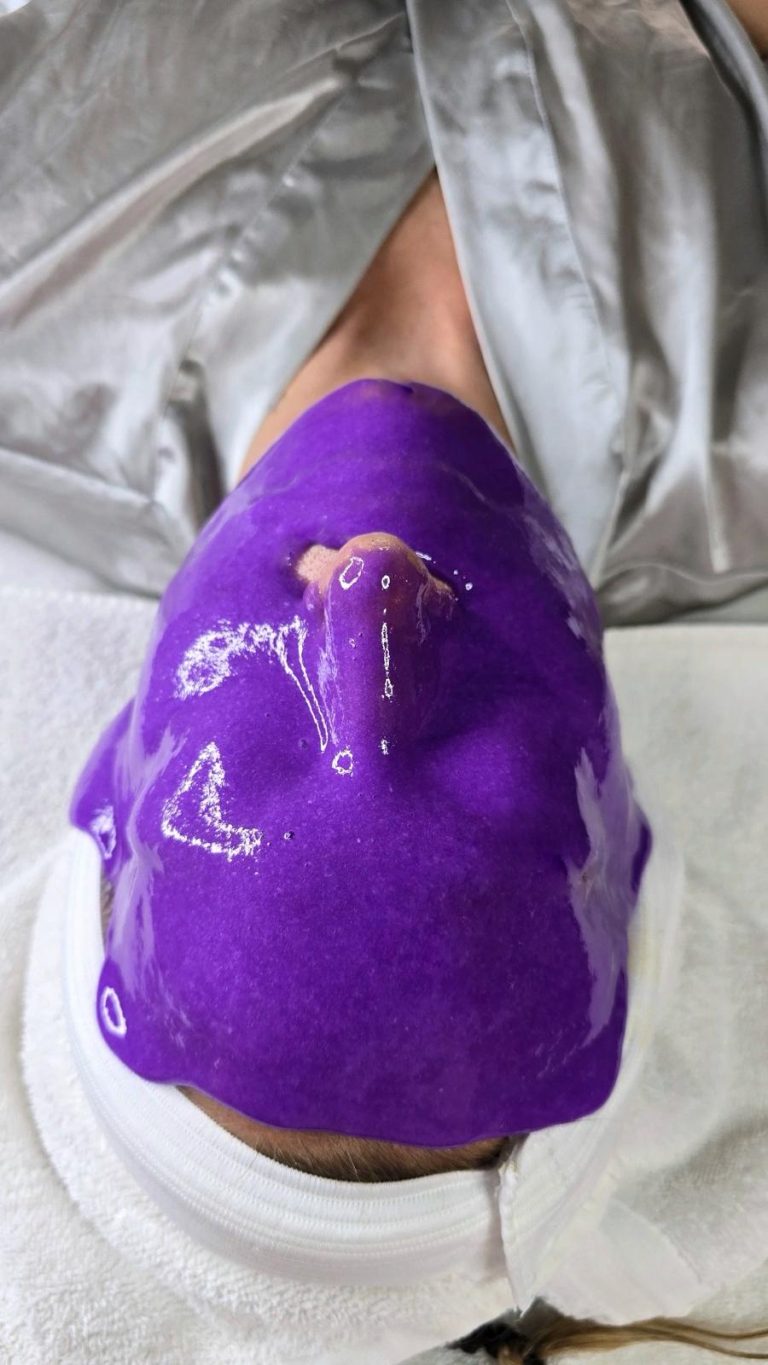
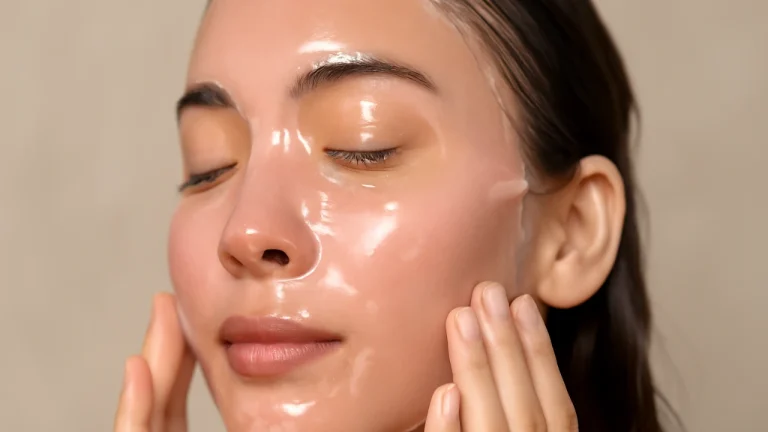
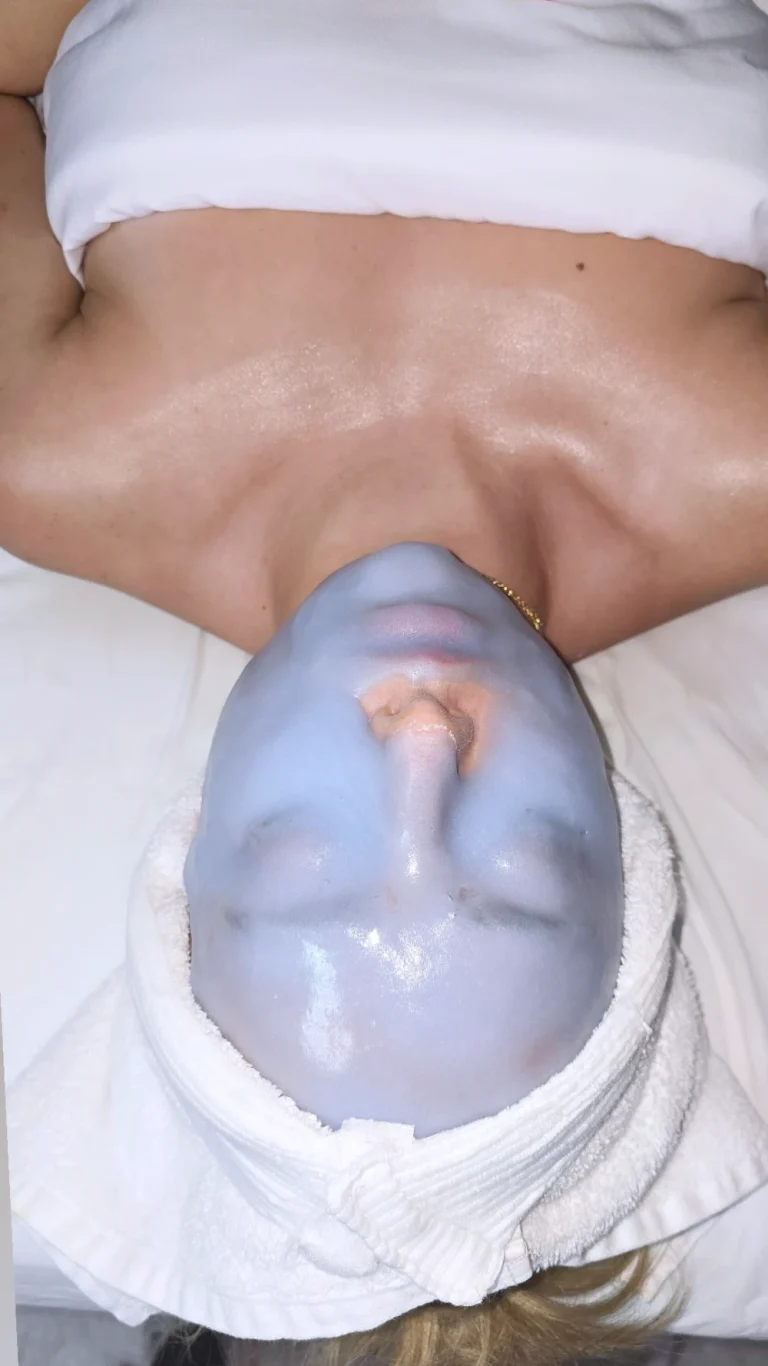
Post-treatment product choice protects your results. Many treatment rooms follow a session with a hydrating jelly mask or an HA recovery gel mask to calm the skin while the microchannels close.

Frequently Asked Questions
What is the best professional microneedling device for estheticians on a budget?
The ILUMIPEN® at $699 with 10 tips included covers both nano-infusion and microneedling from one purchase. The next published price above it in this comparison is $4,995 for the Collagen P.I.N. kit.
Do estheticians need FDA-cleared microneedling devices?
Clearance is not universally required to own a device, but it determines how you may market the treatment and which indications you may claim. If you advertise acne scar or wrinkle treatment by name, use a device cleared for that indication and keep the documentation on file.
What needle depth can an esthetician use?
This is set by your state board, not the device. Many states restrict estheticians to depths that do not penetrate the dermis, and some restrict needling entirely. Nano-infusion is more broadly permitted. Confirm your state rules before every protocol change.
How much do microneedling cartridges cost?
Most manufacturers quote cartridge pricing against your account and volume rather than publishing it. Request a written per-cartridge price at your expected annual usage, since this figure drives cost per treatment more than the device price does.
Is nano-infusion as effective as microneedling?
They do different jobs. Nano-infusion improves product penetration and delivers immediate glow with no downtime, which suits express services. Microneedling creates controlled micro-injuries that stimulate collagen and elastin over a series, which suits scarring, texture and line correction. Most practices sell both.
Choosing Your Device
The right device fits your license, your client base and your cost per treatment, not the longest spec sheet. If you want both nano-infusion and microneedling from one purchase, the ILUMIPEN® covers both at $699 with 10 tips included. If you need clearance-backed scar revision protocols, budget for a quote-only clinical system and negotiate cartridge pricing at the same time.
Luminous Skin Lab sells professional-only to licensed practitioners. To review specifications or open a professional account, visit the ILUMIPEN product page or contact the team. See also the professional microneedling device buying guide and the ILUMILUX® LED therapy system.
Sources
- Luminous Skin Lab, ILUMIPEN product page
- Induction Therapies, Collagen P.I.N. Device Kit
- Collagen P.I.N., 10 Best Microneedling Pens for Professional Use 2026
- SkinPen for Providers, Crown Aesthetics
- Portrait, SkinPen Cost Guide 2026
- SkinStylus MicroSystem
- AestheticSource, Rejuvapen NXT
- Dr. Pen US, All Microneedling Pens