How to Apply Face Masks Correctly (Step-by-Step Guide)
To apply face masks correctly, pick one that suits your skin, cleanse well, and apply an even layer for the recommended time. Finish with serum and moisturizer to seal in benefits. Avoid skipping cleansing or leaving masks on too long for smooth, glowing skin.
Ever wondered why your face mask isn’t delivering the glowing results you see on social media? The secret isn’t just in choosing the right product—it’s in proper application, and how you care for your skin matters. This includes using sheet masks, clay masks, or overnight treatments.
This guide will transform your masking routine. It will shift from guesswork to a science-backed ritual that really works.
Understanding Your Skin & Choosing the Right Mask
The Transformative Power of a Well-Applied Face Mask
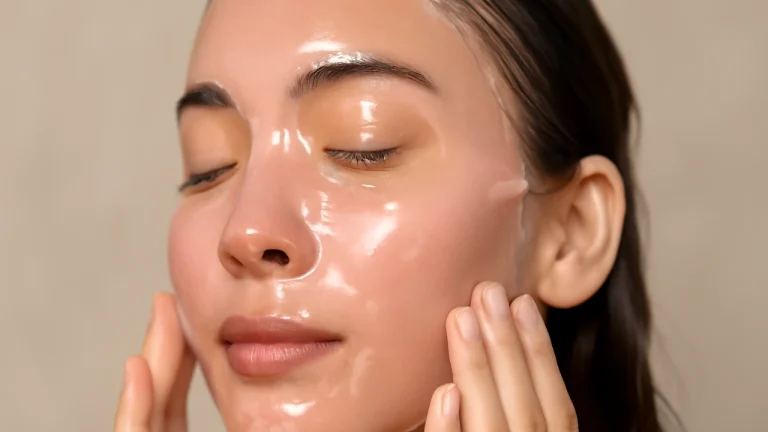
Face masks aren’t just great for Instagram. They’re powerful treatments that target specific skin issues when used properly. The key is knowing that different masks work in unique ways. For example, clay masks absorb extra oil. In contrast, hydrating sheet masks send active ingredients straight to your skin.
Why Proper Application Matters: More Than Just a Mask
Poor application can lead to uneven results, skin irritation, or no improvement. Your skin is a complex organ that responds best to consistent, gentle care. Applying skincare products the right way isn’t just about following steps. It helps you get the most from your investment in your skin’s health.
Identify Your Unique Skin Concerns for Targeted Treatment
Before reaching for any face mask, take a moment to assess your current skin needs. Are you dealing with:
- Dryness or dehydration (tight, flaky skin)
- Excess oil production (shiny T-zone, clogged pores)
- Uneven texture (rough patches, enlarged pores)
- Dullness (lack of natural radiance)
Know your skin concerns. This helps you pick masks with the right active ingredients. You’ll get the most benefit that way.
Decoding Mask Types: What’s Best for You?
Different mask formulations serve different purposes. Clay masks are great at soaking up oil and cleaning pores. This makes them perfect for oily or combination skin. Sheet masks give deep hydration and are great for sensitive or dry skin. Cream masks offer deep nourishment, while peel-off masks can help with surface-level exfoliation.
The Essential Pre-Mask Ritual: Preparing Your Canvas
Cleanse for a Clean Canvas
Start with a gentle facial cleanser to remove makeup, sunscreen, and daily buildup. This step is crucial—applying a face mask to dirty skin is like painting over a dusty surface. Your mask’s active ingredients need direct contact with clean skin to penetrate effectively.
- Use lukewarm water to avoid irritating your skin.
- Massage cleanser gently in circular motions for 30 to 60 seconds.
- Pat dry with a clean towel, leaving skin slightly damp.
Gentle Exfoliation (Optional but Recommended for Enhanced Results)
Once or twice weekly, consider gentle exfoliation before masking. This removes dead skin cells that could block your mask’s beneficial ingredients. Skip harsh scrubs. Choose products with alpha-hydroxy acids or gentle enzyme exfoliants instead.
Tone and Balance Your Skin
An alcohol-free toner balances your skin’s pH. It also helps your skin absorb the nutrients from your mask better. This step is key for people with sensitive skin or strong ingredients.
Applying Your Face Mask Correctly: A Type-Specific Guide
Sheet Masks: Mastering the Fit
Sheet masks require precise application for maximum contact and benefit:
- Unfold carefully and align with your facial contours.
- Clean out air bubbles starting from the center outward.
- Ensure the textured side (if applicable) faces your skin.
- Adjust around the eyes and mouth for a comfortable fit.
The goal is complete skin contact without gaps or wrinkles in the material.
Clay/Mud Masks: The Art of Even Layers
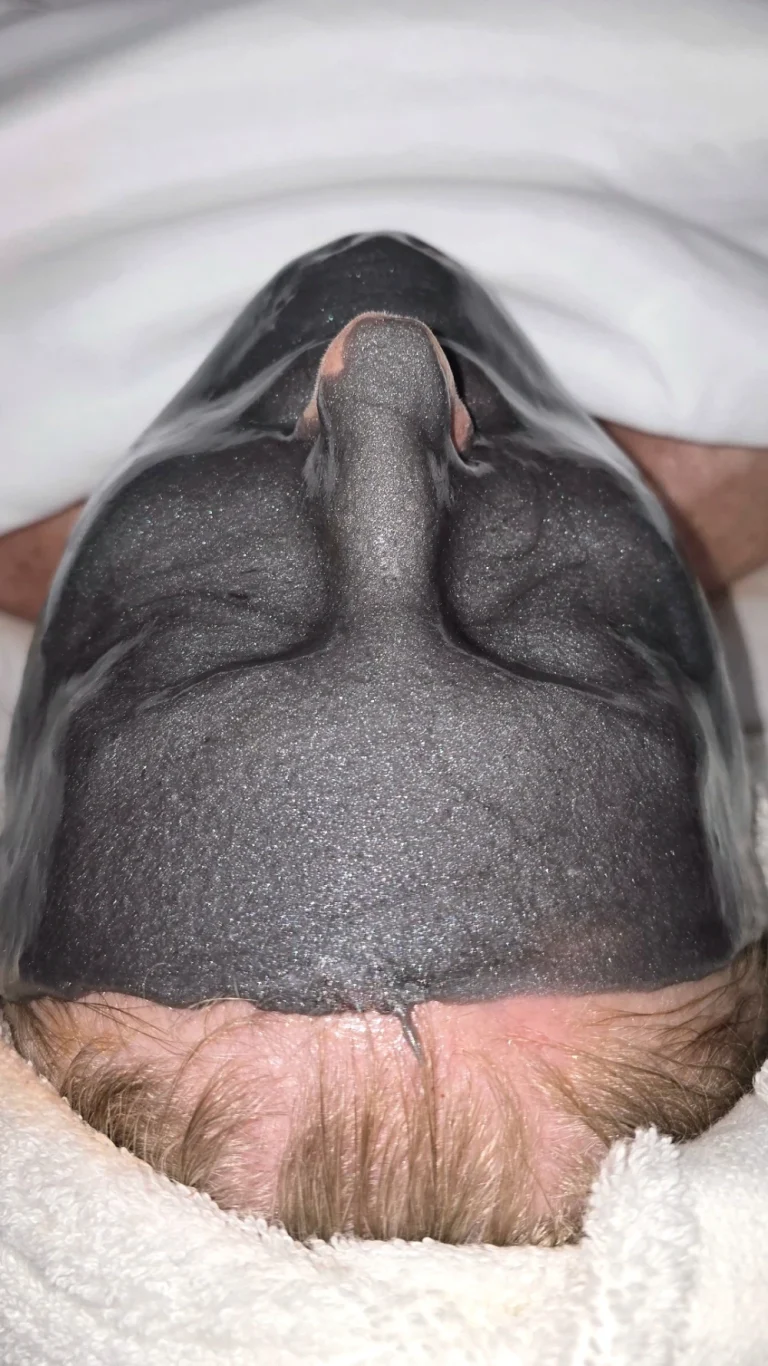
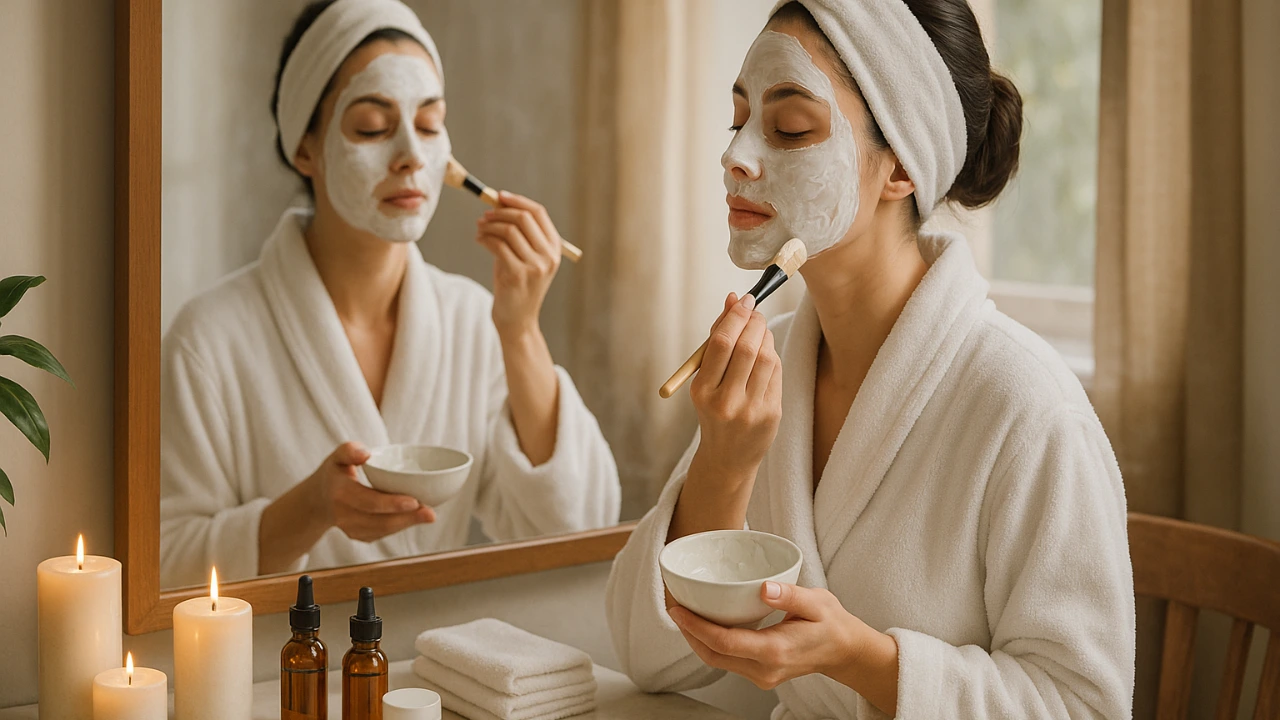
Clay masks work best when applied in thin, even layers:

- Start with damp skin for easier application.
- Apply in upward strokes using clean fingers or a brush.
- Avoid the delicate eye area and lips.
- Maintain even thickness throughout the application.
Thicker isn’t always better. A thin, even layer helps with drying and makes removal easier.
Cream/Gel Masks: Nourishment in Every Layer
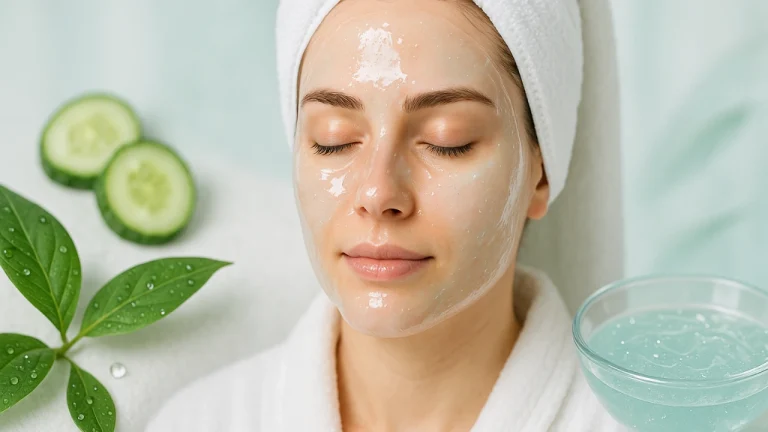
These masks should be applied more generously than clay masks:
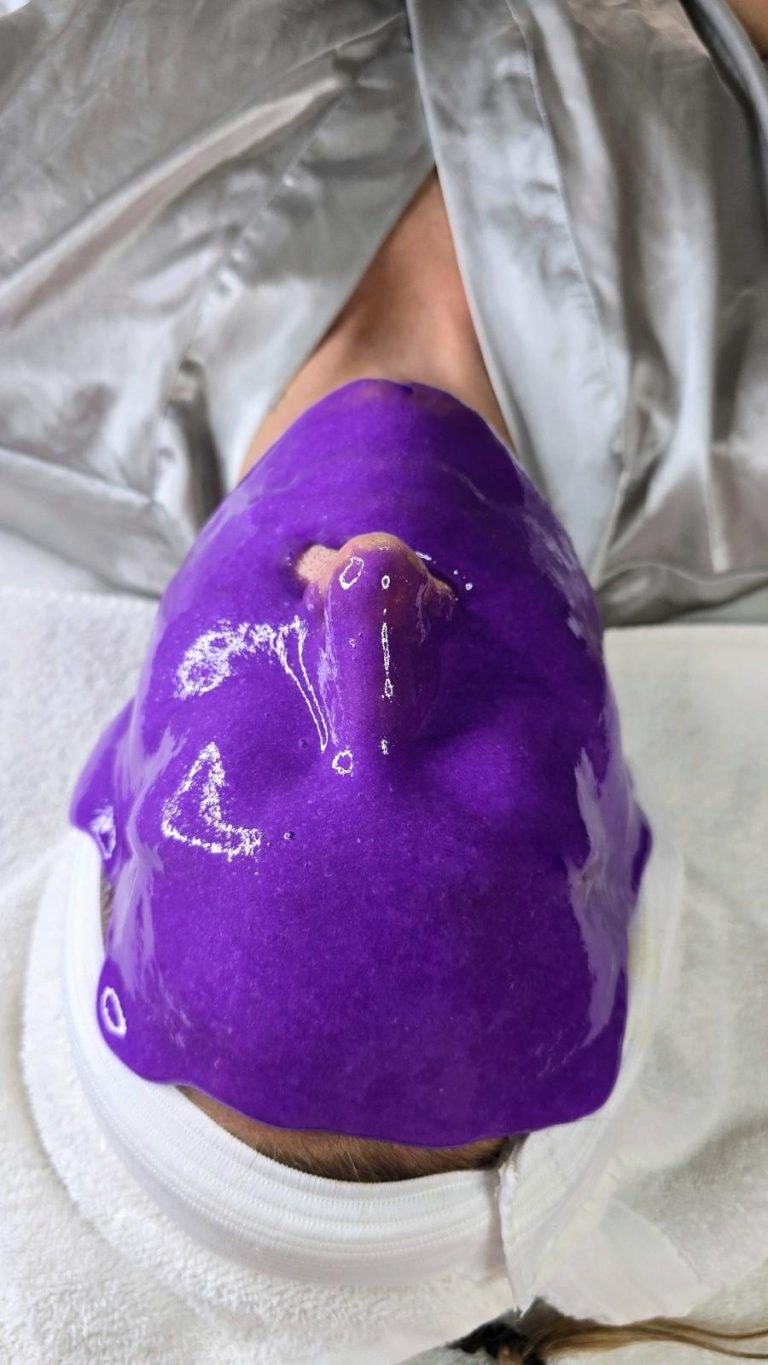
- Use clean hands to apply a thick, even layer.
- Gently press the product into the skin rather than rubbing.
- Cover the entire face except the eye and lip areas.
- Don’t forget your neck if the product allows.
Peel-Off Masks: Smooth Application for Smooth Removal
Peel-off masks require the most careful application technique. Apply in smooth, even strokes, ensuring complete coverage for easy removal. Avoid applying too thickly, as this can make removal difficult and potentially irritating.
Overnight Masks: Your Beauty Sleep Enhancer
These masks are designed to work while you sleep, so application timing matters. Observe this because the final step to your nighttime routine is recurring. Let the earlier products soak in first. Use a slightly thicker layer than you would for day masks, but not so much that it transfers to your pillowcase.
The Waiting Game: Letting the Mask Work
Embrace the Self-Care Ritual
This waiting time isn’t just for ingredients to work. It’s also your chance for real self-care. Use this time to relax and reset, whether at your local spa or in your own bathroom.
Adhere to Recommended Timeframes
Different masks have different optimal contact times:
- Clay masks: 10-15 minutes (remove before completely dry).
- Sheet masks: 15-20 minutes (don’t exceed the recommended time).
- Cream masks: 10-20 minutes, depending on the formulation.
- Peel-off masks: 15-30 minutes until completely dry
Understanding Active Ingredients at Work
While you wait, your skin is actively absorbing beneficial compounds. Hyaluronic acid pulls in moisture. Pumpkin enzyme and alpha-hydroxy acids help refine texture. Trust the process and resist the urge to peek or adjust.
Gentle Removal & Post-Mask Care: Sealing the Benefits
Removing Different Mask Types Safely
Each mask type requires specific removal techniques:
- Sheet masks: Simply peel off gently, then pat remaining essence into the skin.
- Clay masks: Use lukewarm water and gentle circular motions.
- Cream masks: Remove with a damp cloth or rinse them with water.
- Peel-off masks: Start from the edges and peel slowly upward.
The Essential Follow-Up: Locking in Goodness
Your post-mask routine is just as important as the mask itself. Use a face serum if your skin needs more nourishment. Then, apply your regular moisturizer. This helps lock in the benefits and maintains your skin’s hydration barrier.
Pro Tips / Safety Advice
Patch Test First: Always test new masks on a small skin area 24 hours before full application. This easy step can stop bad reactions. It helps you avoid products that aren’t right for your skin.
Don’t Over-Mask: More isn’t always better. Wearing masks too often, especially exfoliating ones, can irritate your skin. It may also weaken your skin’s barrier.
Listen to Your Skin: Remove the mask immediately if you feel stinging or see redness. Your skin’s comfort should always be the priority.
Storage Matters: Keep masks in cool, dry places and check expiration dates. Expired skincare products can harbor bacteria and lose effectiveness.
Common Masking Mistakes to Avoid for Optimal Results
Not Cleansing Properly Before Application
Skipping the cleansing step is like watering a plant through dust. Your mask’s active ingredients can’t penetrate effectively through makeup, sunscreen, and daily buildup.
Ignoring Your Skin Type and Concerns
Using the wrong mask type for your skin can worsen existing issues. Dry skin needs hydrating masks. Avoid clay-based ones, as they can strip natural oils.
Leaving Masks On Too Long (or Not Long Enough)
Timing matters significantly. Leaving clay masks on until dry can irritate your skin. But removing hydrating masks too soon means you miss out on their benefits.
Skipping Post-Mask Skincare
Your skin is more receptive to products immediately after masking. Skipping moisturizer or serum application wastes this enhanced absorption window.
Over-Masking
Using masks daily or combining multiple active treatments can overwhelm your skin. Most masks are designed for 1-3 times per week.
Forgetting to Patch Test
New products should always be patch tested, regardless of how gentle they claim to be. Skin sensitivity can develop unexpectedly, and prevention is always better than treatment.
FAQs & Expert Tips for Masking Success
How Often Should I Use a Face Mask?
Most face masks should be used 1-3 times per week, depending on your skin type and the mask’s intensity. Gentle hydrating masks can be used more frequently than exfoliating or clay-based treatments.
Do I need to wash My Face After a Sheet mask?
No need to rinse after most sheet masks. The remaining essence should be gently patted into your skin for maximum benefit. However, a gentle rinse with cool water is fine if the product feels sticky or uncomfortable.
Can I Multi-Mask?
Yes, but with caution. You can use different masks on various parts of your face. This helps tackle multiple concerns at once. For example, use a clay mask on your T-zone while applying a hydrating mask to drier cheek areas.
What About LED Masks?
LED masks use light therapy to target specific skin concerns. Red light may help with anti-aging, while blue light targets acne-causing bacteria. Use these as directed by the manufacturer. They are not recommended for people with certain medical conditions.
When to Consult a Dermatologist
See a board-certified dermatologist if you have:
- Ongoing irritation
- Worsening skin issues
- Health concerns
They can recommend professional treatments and help you develop a personalized skincare routine.
Final Thoughts / Encouragement
The Journey to Healthy Skin
Mastering the art of face mask application is a journey, not a destination. Every skin type is unique. What works for others might not fit your needs. Adjust products to fit your needs. Be patient with the process. Consistent, gentle care works better than occasional intense treatments.
Enjoy Your Radiance
The right technique and patience make face masks great for your skincare routine. The right way to apply products can improve your results. This is true for dryness, oily skin, or if you simply want healthy skin. Beautiful skin shows that you care for yourself. Include your journey and celebrate every breakthrough.

Frequently Asked Questions
-
How do you properly apply a face mask?
Cleanse your face, apply an even layer of the mask, leave it on for the recommended time, then rinse or peel off as directed.
-
Should I wash my face before or after applying a face mask?
Always wash your face before applying a mask to remove dirt and allow better absorption of ingredients.
-
How long should you leave a face mask on?
Typically, leave it on for 10–20 minutes depending on the mask type and product instructions.
-
How often should you use a face mask?
Most masks should be used 1–3 times per week, depending on your skin type and needs.
-
Can I use multiple face masks in one day?
It’s best to use only one mask per day to avoid over-exfoliating or irritating the skin.