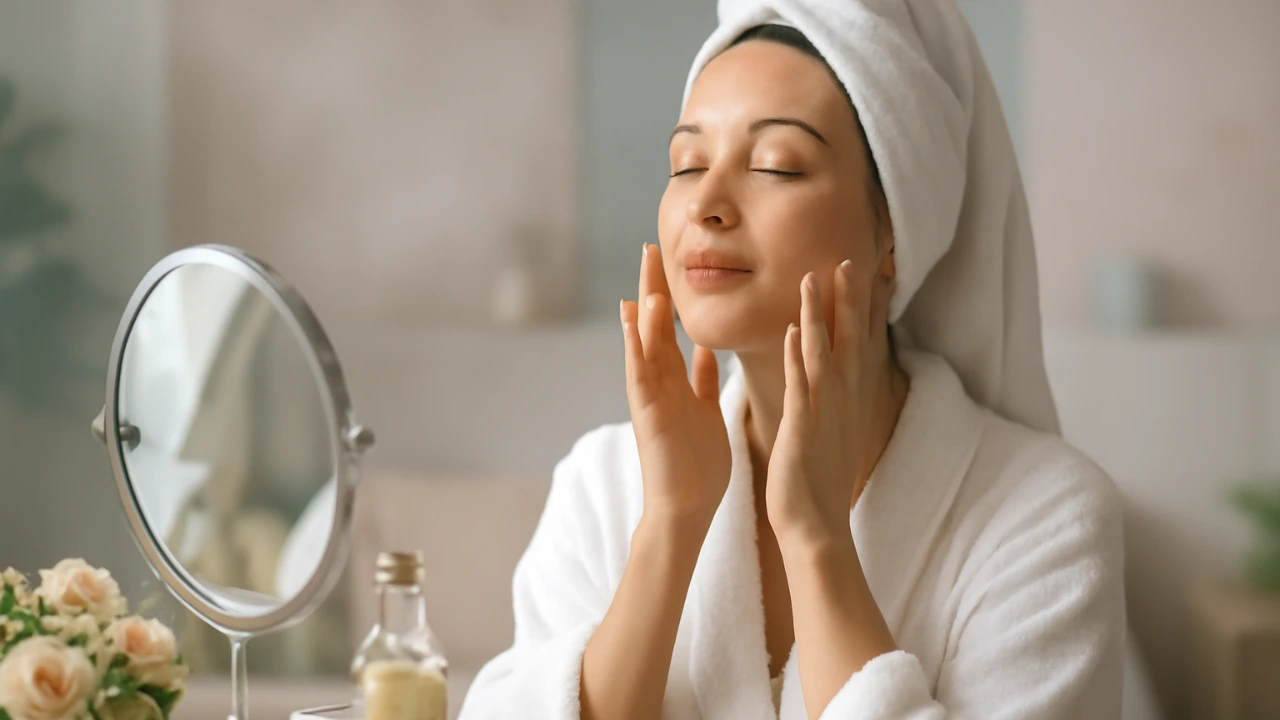
Why Face Masks Deserve a Spot in Your Skincare Routine
Face masks deliver targeted skincare benefits beyond daily products. They hydrate, purify, exfoliate, and brighten using concentrated active ingredients. Regular use supports skin health, boosts radiance, and offers a relaxing self-care ritual.
Face masks aren’t just for Instagram—they’re effective skincare tools. They can really change your complexion. A good face mask can help with dry skin, fine lines, or just give you healthier skin. It offers focused benefits that your usual skincare might not provide.
Beyond the Indulgence – The Powerful Role of Face Masks in Skincare
More Than a Pampering Treat: Unlocking Serious Skin Benefits
Face masks have evolved far beyond simple pampering products. Modern formulas deliver strong ingredients, such as hyaluronic acid, vitamin C, and salicylic acid, right to your skin. Targeted treatments work better for specific skin problems than daily cleansers or moisturizers.
The science behind face masks lies in their ability to create an occlusive barrier on your skin. This barrier stops moisture loss. It also lets good ingredients go deeper into your skin.
Setting the Stage: Addressing Skepticism and Highlighting Efficacy
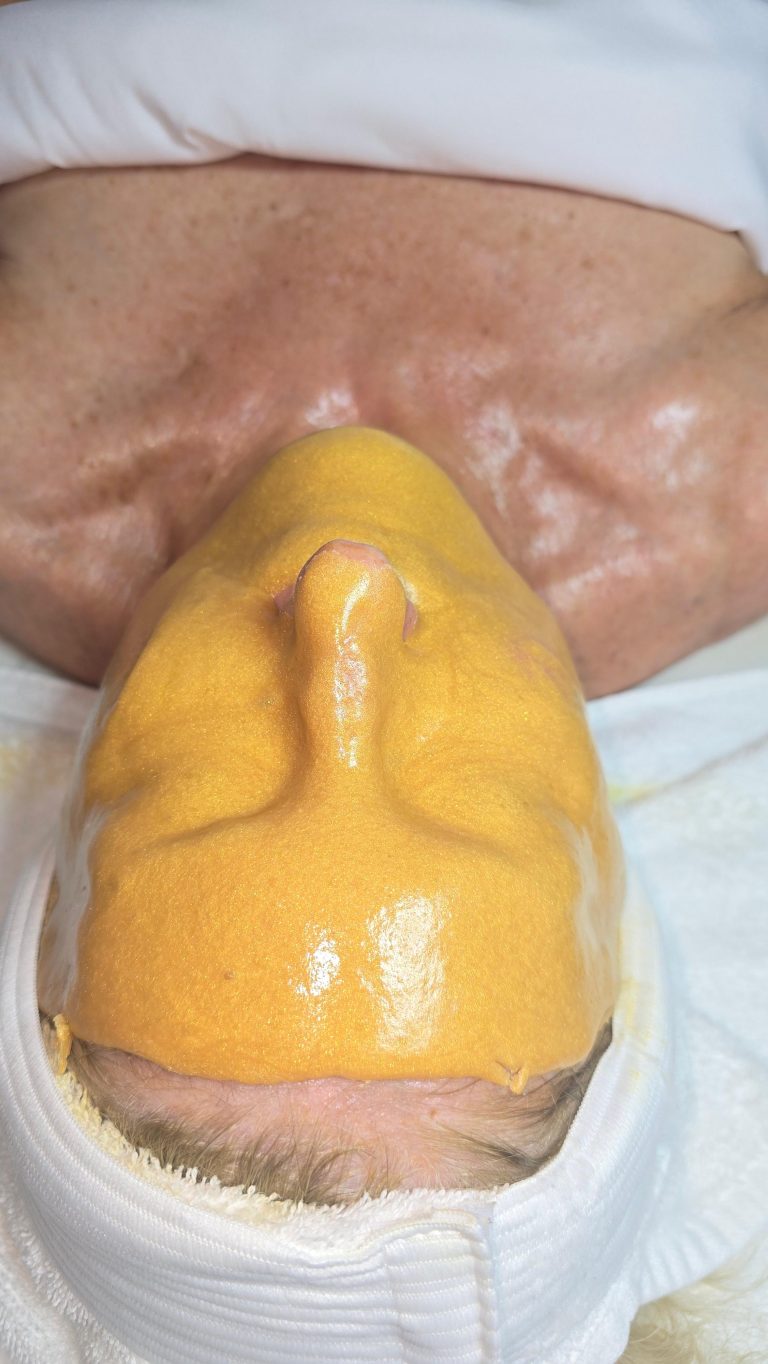
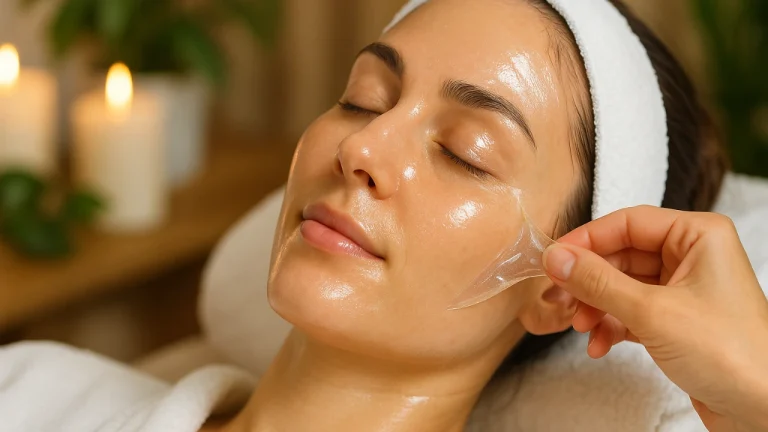
Some people see face masks as fancy extras. However, dermatologists now see their real benefits. A good sheet mask or clay mask can give results like spa facials. Plus, you can enjoy it at home.
The Science Behind the Mask: How They Work to Transform Your Skin
Creating an Occlusive Barrier for Enhanced Absorption
When you apply a face mask, you create a temporary seal over your skin. This occlusive barrier serves two crucial functions:
- Prevents transepidermal water loss, keeping your skin hydrated.
- Forces active ingredients deeper into your skin barrier.
- Maintains optimal moisture levels during the treatment period.
- Creates an environment where cellular repair processes can accelerate.
Concentrated Delivery of Potent Active Ingredients
Unlike regular skincare products, masks contain higher concentrations of active ingredients. A hydrating mask may have different types of hyaluronic acid. Exfoliating masks usually include both alpha and beta hydroxy acids to boost effectiveness.
Targeted Treatments for Specific Skin Concerns
Different mask types address specific skin concerns with precision. Charcoal masks pull impurities from pores. Cream masks, on the other hand, repair moisture barriers. This focused method helps you tailor treatments to your skin’s needs.
Supporting the Skin Barrier for Overall Skin Health
Wearing a mask regularly supports your skin barrier. This is key to protecting against outside stressors. A healthy skin barrier holds moisture better. It also looks stronger against aging signs.
Unmasking the Core Benefits: A Deep Dive into Skin Transformation
Intense Hydration and a Strengthened Moisture Barrier
Hydrating masks with hyaluronic acid and glycerin can keep skin moist for up to 24 hours. These treatments work well for sensitive skin. They are also great for people in dry climates. Environmental factors can make it hard to keep skin hydrated.
For the best results, choose overnight masks. They work while you sleep and give hydrating ingredients more time to soak in.
Pore Purification and Detoxification
Clay masks and charcoal masks excel at drawing out impurities from large pores. Volcanic ash and mineral-rich ingredients soak up extra oil. They also remove dead skin cells that clog pores.
- Bentonite clay tightens pores and controls oil production.
- Activated charcoal binds to toxins and pollutants.
- Kaolin clay provides gentle purification for sensitive skin types.
Gentle Exfoliation and Enhanced Skin Texture
Glycolic acid and other alpha-hydroxy acids gently remove dead skin in exfoliating masks. This process removes dead skin cells better than physical scrubs. It reveals smoother, more radiant skin below.

Beta hydroxy acid masks dive into oily pores, making them great for acne-prone skin.
Soothing Inflammation and Reducing Redness
Anti-inflammatory ingredients in soothing masks can calm irritated skin and reduce redness. Ingredients such as niacinamide, allantoin, and botanical extracts soothe the skin. They restore comfort after exposure to the environment or breakouts.
Brightening, Even Tone, and Youthful Radiance
Vitamin C masks and vitamin C ester masks brighten your skin. They also protect against free radical damage. Regular use can improve skin tone evenness and promote a more youthful appearance.
Azelaic acid masks help brighten the skin and control excess oil.
Firming and Anti-Aging Benefits
Advanced formulas with copper tripeptide and other peptides boost collagen production. This helps reduce fine lines. These ingredients work to improve skin elasticity and promote skin rejuvenation over time.
Beyond Skin Deep: The Self-Care and Wellness Aspect
A Moment of Mindfulness and Relaxation: The Spa Experience at Home
The ritual of applying a face mask creates a dedicated self-care moment in your day. This mindful practice helps lower stress. Lower stress levels are good for your skin. Stress hormones can cause inflammation and breakouts.
Reducing Stress and Boosting Your Mood Through Ritualistic Self-Care
A 15-20 minute masking session offers mental and physical health benefits. Caring for yourself sends good signals to your brain. This can boost your overall well-being.
Enhancing Confidence and Overall Well-Being
Wearing a face mask regularly can improve your skin. This can help you feel more confident. Healthy skin boosts your confidence. When your skin looks good, you feel good!
Navigating the Mask Aisle: Choosing the Right Formula for Your Skin
Understanding Your Skin Type and Primary Concerns
Before you choose a mask, find out if your skin is oily, dry, combination, or sensitive. Your skin type decides which active ingredients help you most. It also shows which ones might irritate.
Consider your primary skin concerns:
- Fine lines and aging signs require peptides and antioxidants
- Acne-prone skin benefits from salicylic acid and clay-based formulas
Demystifying Mask Types and Their Hero Ingredients
Different mask formats offer unique benefits. Sheet masks are easy to apply and superb for travel. Clay masks, on the other hand, clean pores deeply, which sheet masks can’t do.
Look for key ingredients. Hyaluronic acid helps with hydration. Glycolic acid offers gentle exfoliation.
Mastering Your Masking Ritual: Tips for Optimal Results and Routine Integration
Preparation is Key: Cleansing for Maximum Efficacy
Always start with clean skin to ensure maximum ingredient penetration. Remove makeup and cleanse your face well. This helps avoid trapping impurities against your skin when you apply a mask.
Application Techniques: Smooth, Even Coverage and Attention to Detail
Apply masks using gentle, sweeping motions to ensure even coverage. Avoid the delicate eye area unless specifically formulated for that region. Focus on areas with specific issues, such as large pores or dry patches.
Timing is Everything: Adhering to Product Instructions
Follow manufacturer guidelines for application time. Wearing masks for too long can irritate. This is especially true for exfoliating masks with alpha or beta hydroxy acids.
Gentle Removal and Post-Mask Skincare
Do away with masks lightly with lukewarm water and a gentle material. Use a gentle serum or moisturizer next. This helps lock in benefits and supports your skin barrier.
Frequency: Finding Your Balance for Consistent Benefits
Most face masks work best when used 1-3 times per week, depending on your skin type and the mask’s intensity. A hydrating mask can be used more regularly than exfoliating masks.
Pro-Tips for an Elevated Masking Experience
Store hydrating masks in the refrigerator for an extra cooling, soothing effect. This technique is particularly beneficial for reducing puffiness and inflammation.
Pro Tips / Safety Advice
Always patch test new masks on a small skin area before using them fully. This is important, especially for sensitive skin. Start with shorter software instances and steadily grow as your skin builds tolerance.
- Never apply masks to broken or severely irritated skin.
- Remove immediately if you experience burning or excessive irritation.
- Avoid over-exfoliating by spacing out different mask types appropriately.
The Long-Term Impact: Why Consistent Masking is a Skincare Game-Changer
Building Resilience and Sustaining Skin Health Over Time
Regular masking boosts skin resilience. It consistently delivers helpful ingredients and supports natural repair. A proactive skincare routine can stop many common skin issues before they start.
Proactive Defense Against Environmental Stressors and Damage
Face masks containing antioxidants like vitamin C provide ongoing protection against environmental damage. Using it regularly helps fight free radicals. This stops them from causing visible aging signs.
Maintaining a Youthful, Radiant, and Healthy Complexion for Years to Come
Using masks often in your skincare routine keeps your skin healthy. Regular treatments with quality active ingredients keep skin hydrated and elastic. They also help it look great over time.
Final Thoughts / Encouragement
Face masks are one of the most versatile and effective tools in skincare today. A luxurious overnight or simple clay mask can improve your skin and boost your well-being.
Begin with one mask that targets your main skin issue. Then, slowly add more masks as you learn what suits your skin best. Consistency is key. A regular hydrating mask is often better than expensive facial treatments used occasionally.
Your skin deserves this level of care, and the benefits extend far beyond the surface. Use face masks for skincare and as a way to care for yourself.

Frequently Asked Questions
-
What are the benefits of using a face mask?
A face mask helps remove impurities, unclog pores, and deeply hydrate the skin for a refreshed look.
-
How often should you use a face mask?
It’s best to use a face mask 1–3 times a week, depending on your skin type and mask formula.
-
Do face masks really improve skin?
Yes, consistent use can enhance texture, clarity, and overall skin health.
-
Which face mask is best for glowing skin?
Hydrating and vitamin-rich masks, especially those with hyaluronic acid or vitamin C, boost natural glow.
-
Can face masks help with acne?
Yes, clay and charcoal masks absorb excess oil and reduce acne-causing bacteria effectively.