Red Light Therapy for Estheticians: 2026 Guide to Adding It to Your Practice
How Can Estheticians Add Red Light Therapy to Their Practice?
Red light therapy (a form of LED light therapy) is one of the easiest advanced modalities for an esthetician to add: it is non-invasive, has no downtime, and fits into almost any treatment. Estheticians use it two ways — in the treatment room to boost results and calm the skin, and as a retail take-home device clients use between visits. The decision that matters most is the device: its wavelengths, how much of the body it covers, and whether it is available at wholesale.
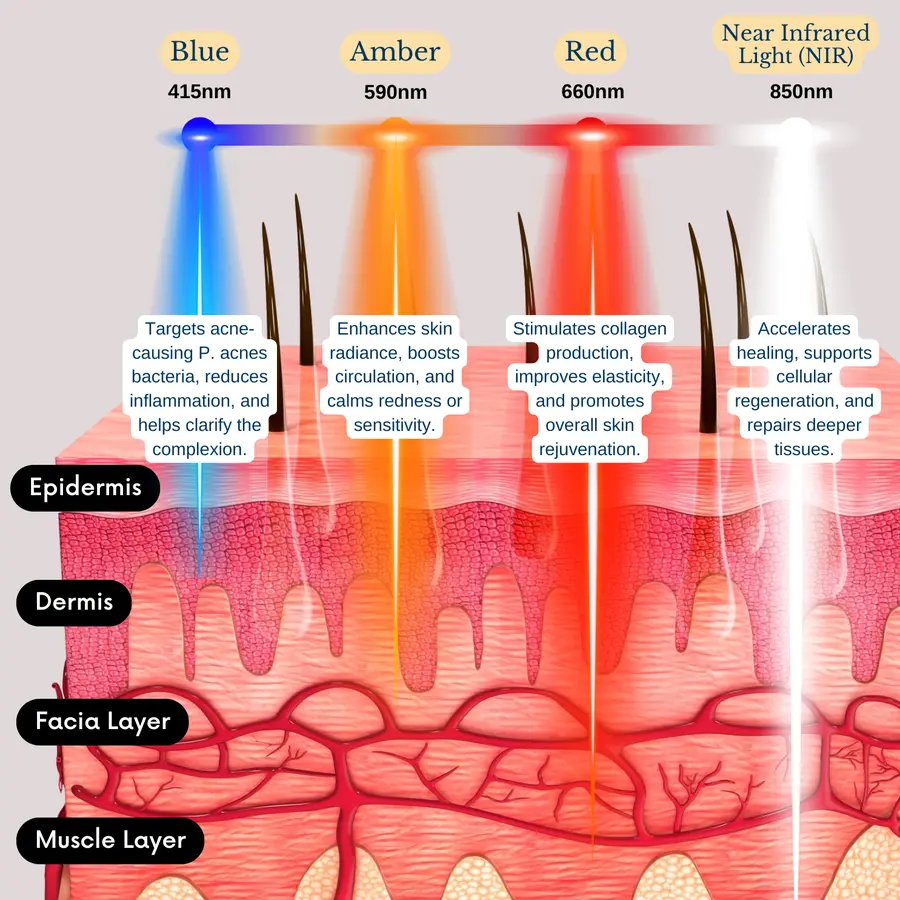
- Red (~660nm) and near-infrared (~850nm) light support collagen and recovery; blue (~415nm) targets acne; amber (~590nm) calms redness.
- Red light therapy pairs with facials, microneedling, nano-infusion, chemical peels and extractions to support recovery.
- It is within esthetician scope in most states — confirm your board — and is commonly billed as an add-on or standalone service.
- A face-plus-neck/chest device treats the full visible-aging zone, not just the face.
- Wholesale device pricing turns red light therapy into both an in-treatment tool and a retail revenue stream.
Red light therapy has moved from a spa upsell to one of the highest-return additions an esthetician can make to a service menu. It requires no needles, no consumables, and almost no added chair time, yet it measurably supports collagen stimulation, calms post-treatment redness, and gives clients a visible reason to come back. The barrier to adding it is not skill or regulation — in most states it sits comfortably within esthetician scope — it is choosing the right device.
This guide covers where red light therapy fits in a treatment plan, the wavelengths that actually do the work, how to evaluate a professional device, and how to turn it into both an in-treatment service and a retail revenue stream.
What Estheticians Should Know About Adding Red Light Therapy
- Red light therapy is non-invasive, low-downtime, and within esthetician scope in most states (confirm your board).
- It pairs with nearly every treatment — facials, microneedling, nano-infusion, peels, extractions — to support recovery.
- The best devices deliver four wavelengths (blue, amber, red, near-infrared) and cover face plus neck and chest, not just the face.
- Run it as an in-treatment add-on and a retail take-home device for two revenue streams from one purchase.
- Wholesale pricing is what makes buying multiple units — for the room and for resale — profitable.
Why Red Light Therapy Belongs on Your Service Menu
It supports results clients can see. Red and near-infrared light stimulate collagen and improve circulation, which complements the structural work of microneedling and the brightening goals of a facial. Blue light helps acne-prone clients, and amber light calms the redness and sensitivity that often follow active treatments.

It shortens recovery. A short LED session after microneedling, a peel, or extractions helps calm inflammation and get clients back to normal faster — a tangible benefit they feel and remember.
It creates two revenue streams. Offered in the room, it raises the value of every treatment. Retailed as a take-home device, it generates recurring product revenue — and when the device is available at wholesale, the margin on both is meaningful.
The Wavelengths That Do the Work
Not all LED devices deliver the same light. The four wavelengths below each address a different concern; a device that offers all four lets one tool serve anti-aging, acne, and redness rather than a single goal.
Choosing a Device for Your Practice
Coverage. Most masks treat the face only. The neck and décolletage age just as visibly, so a two-piece face-plus-neck/chest device lets you treat the full zone in one session — and send clients home with the same coverage.
FDA clearance. Look for a device that is FDA-cleared for its stated indication; it is a baseline trust signal you can share with clients.
Energy and modes. Results depend on energy delivered per session (measured in joules) and uniform coverage. Multiple clinical modes let one device serve different clients and concerns.
Wholesale availability. For a practice, the device’s wholesale price — not just its retail price — decides whether it is viable to run in the room and resell to clients.
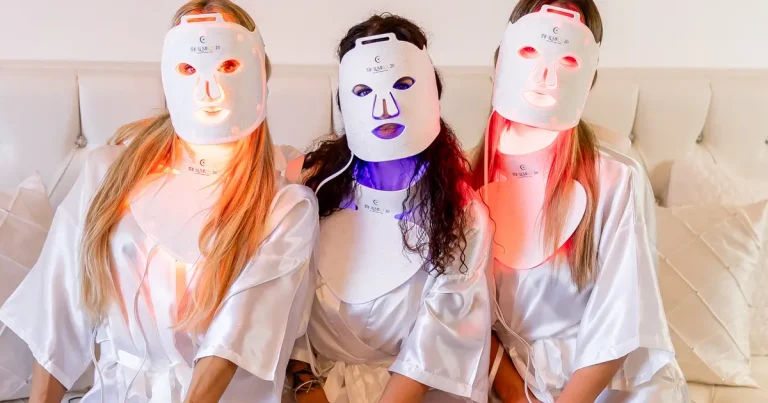
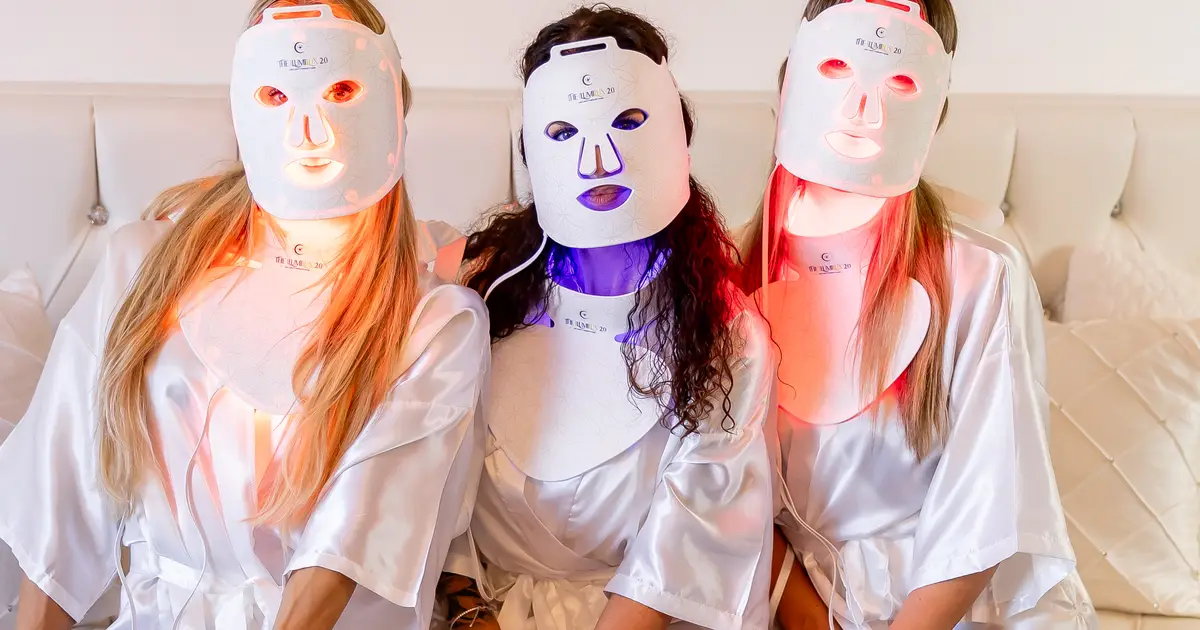
For estheticians adding red light therapy, the device that makes the most practical sense is one you can use in the room and retail to clients with real margin. The ILUMILUX® 2.0 fits both: an FDA-cleared, two-piece set covering face and neck/chest, with four wavelengths (415, 590, 660 and 850nm), six clinical modes, 122 facial and 64 neck LEDs, up to 3,000 joules per 10-minute session, and an industry-leading 3-year warranty.
At $599 retail it already undercuts comparable two-piece sets. For practices, wholesale pricing starts at $250 per set with free shipping on a minimum order of three — which is what makes it work as both a treatment-room tool and a retail product.

Frequently Asked Questions
Can estheticians offer red light therapy?
Red and LED light therapy is non-invasive and is within the esthetician scope of practice in most states, as a standalone service or an add-on. Confirm your state board’s rules. FDA-cleared devices such as the ILUMILUX 2.0 are built for both professional and at-home use.
Is red light therapy worth adding to an esthetics practice?
Yes — it is low-downtime, pairs with most facials and advanced treatments, and creates value both in-treatment (better results and recovery) and as a retail revenue stream when clients take a device home. Wholesale device pricing improves the margin on both.
Should estheticians use red light therapy in-treatment or sell it for home use?
Both. Use it in the treatment room to boost results and calm post-procedure redness, and retail a take-home device so clients continue between visits. A two-piece face and neck set lets you treat the full zone in-room and send clients home with the same coverage.
What should estheticians look for in a red light therapy device?
Clinically used wavelengths (red ~660nm, near-infrared ~850nm, blue ~415nm for acne, amber ~590nm for redness), adequate energy per session, coverage of the face plus neck and chest, FDA clearance, multiple clinical modes, and wholesale availability for a practice buying more than one unit.
By Luminous Skin Lab Education Team · Reviewed by Katelyn Fitzgerald, Licensed Master Esthetician, 16-Year Industry Veteran & Founder, Luminous Skin Lab · Updated 2026