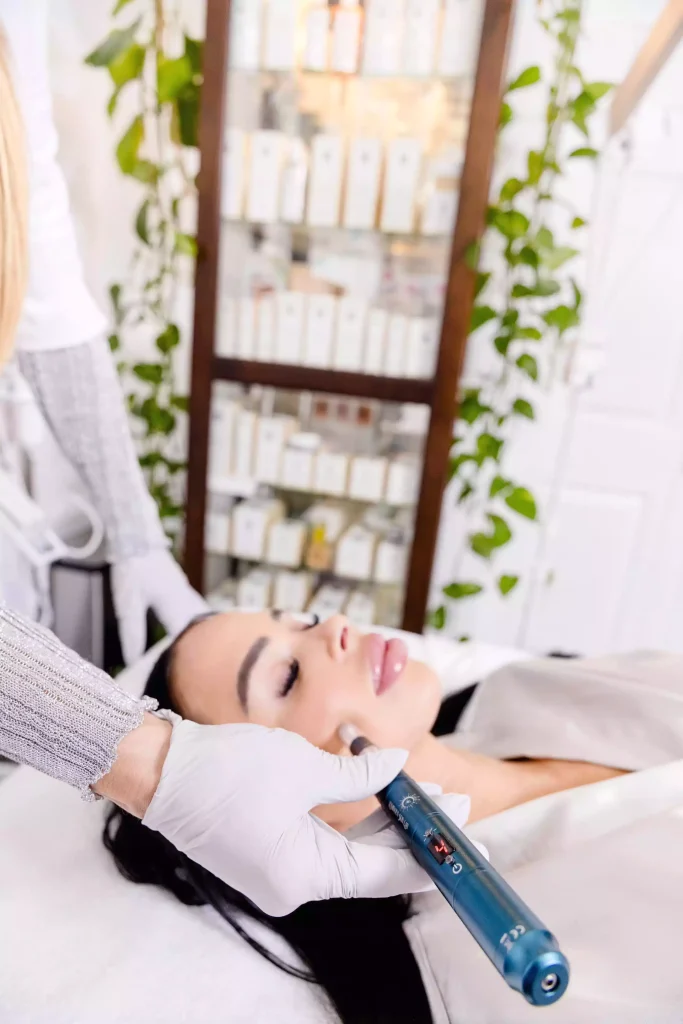
Nano-infusion has become one of the most effective ways to enhance treatment results without the downtime or discomfort. This technique uses needle-free nano cartridges to gently create microchannels on the skin’s surface that help active ingredients absorb more deeply and work more effectively. The result? Noticeably smoother, brighter, and more hydrated skin.
When paired intuitively with other non-invasive treatments, nano-infusion can elevate results and take facial treatments to the next level. The key lies in understanding treatment order, timing, and technique. Whether it’s performing gentle exfoliation before LED light therapy, infusing a custom ampoule after a peel or dermaplaning, or layering in advanced hydration, each step influences how the skin responds and the overall outcome of the treatment.
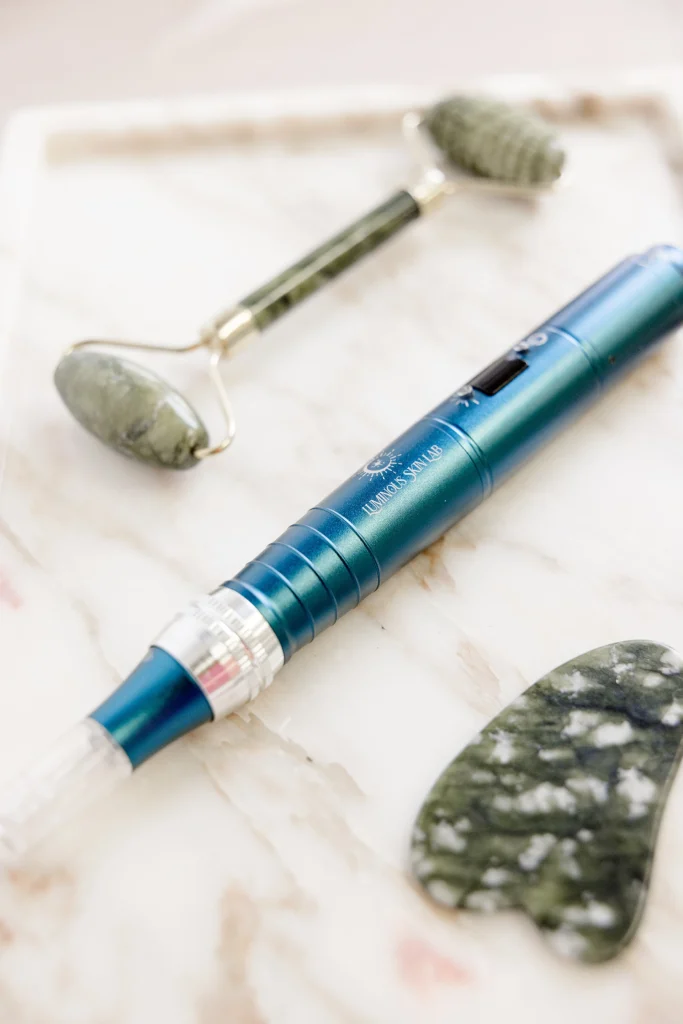
Lets explore how to safely and effectively combine nano-infusion with other professional facial treatments and how tools like the ILUMIPEN make it easy for estheticians to create custom protocols that deliver visible, lasting results.
Pairing with Enzymes, Peels, or Dermaplaning
Professional exfoliation determines how well nano-infusion performs. Each layer removed before infusion will open pathways for deeper product delivery. When the skin receives the right prep, the client will notice a brighter tone, smoother texture, and stronger hydration within hours.
Nano-infusion does not completely substitute for exfoliation. Rather, it will be a complement to its action. The right multi-modality facial will safely remove buildup and restore balance in the skin and push professional serums into the epidermis more thoroughly.
Can You Do Dermaplaning and Microneedling or Nano-infusion on the Same Day?
It’s possible to do dermaplaning and nano-infusion in combination, but technique and order are important. Perform dermaplaning first. A sterilized blade will remove vellus hair and dead skin cells. It will smooth the surface and clean it.
Prepare the skin and then perform nano-infusion. It is able to penetrate targeted serums with greater absorption and accuracy.
Dermaplaning and microneedling same day, however, is not advisable. Microneedling triggers minimal damage and necessitates full recovery prior to resurfacing again.
The most effective method is to alternate nano-infusion and microneedling from time to time in order to have full hydration and collagen resuscitation without harm.
Should Exfoliation Happen Before or After Nano-Infusion?
Exfoliation must come first. The goal is to clear away surface debris so that the infusion step can deliver nutrients more effectively. Exfoliating after nano-infusion will disrupt the skin barrier and push away serums.
| Step | Procedure | Purpose | Timing |
| 1 | Enzyme or dermaplaning | Remove dead cells and surface buildup | Before nano-infusion |
| 2 | Nano-infusion | Deliver serum actives into the epidermis | After exfoliation |
| 3 | LED or calming serum | Support repair and hydration | Immediately after nano-infusion |
This is the simple way to keep the skin calm, receptive, and luminous. Professionals who follow this can expect consistent, safe results across all skin types.
Which Peels are Safe to Pair with Nano-Infusion?
Only gentle, professional-grade acids pair safely with nano-infusion. The objective is refinement, not resurfacing. Strong acids will break the barrier and interrupt recovery.
Safe peel options for combination protocols are:
- Lactic acid (5–10%) – good for dry or mature skin. It will hydrate and tone;
- Mandelic acid (5–15%) – safe for sensitive or acne-prone skin. It will brighten the skin without irritation;
- Enzyme blends (papaya or pineapple-based) – perfect for same-day prep. It will dissolve dull surface buildup and enhance serum delivery.
Don’t use glycolic or TCA-based peels on the same day. Those acids go too deep and require a longer recovery time.
When done right, gentle peels and nano-infusion become a professional nano-infusion protocol. This approach will boost skin quality and improve overall treatment results.
Building an Advanced Rejuvenation Protocol
An advanced rejuvenation plan must focus on precision and safety. Each layer must serve a purpose — preparation, infusion, and recovery. The goal is to design treatments that support long-term skin health without irritation or barrier stress.
How Do You Combine Microneedling and Nano-Infusion Safely?
Both methods aim for the same result — cellular renewal and collagen production. However, each will reach a different depth and intensity. The safest approach is to schedule them in separate appointments.
Professional step-by-step schedule:
- Start with Nano-Infusion. Use ILUMIPEN with sterile ampoule serums to hydrate, brighten, and prime the skin. This will prepare the tissue for stronger collagen activation in later sessions.
- Wait 2-4 weeks. Allow full recovery. Skin will rebuild collagen and get back to balance before deeper stimulation.
- Proceed with Microneedling. Use ILUMIPEN’s micro-needle cartridge for controlled collagen induction. Apply soothing serum post-procedure.
- Resume Nano-Infusion. Go back to nano-infusion once the skin stabilizes. This will maintain radiance and hydration between microneedling sessions.
What Is the Ideal Sequence for Advanced Facial Layering?
A good facial sequence goes from surface prep to infusion and ends with recovery support. Each layer has a purpose.
Recommended order:
- Cleanse and assess. Remove makeup and surface debris. Check the skin’s current state.
- Exfoliate. Use enzyme treatment or dermaplaning to clear buildup and smooth texture.
- Nano-infusion. Deliver active serums that target hydration, tone, or firmness.
- LED light therapy or oxygen infusion. Soothe the skin and support recovery.
- Barrier support. Apply calming serums or hydrating masks to lock in moisture.
This structured approach allows full control over stimulation intensity and ensures visible, consistent results.
Can I Combine Multiple Modalities in One Session?
Yes, but precision and proper assessment remain essential. Begin with gentle exfoliation to remove surface buildup and prepare the skin, followed by nano-infusion to deliver targeted serums and enhance absorption.
Don’t add deep peels, strong acids, or microneedling to the same appointment. This is because they require recovery and will not pair well with other active steps. Always evaluate the client’s tolerance, hydration level, and barrier function prior to completing the treatment plan.
Layering with LED Light Therapy
LED light therapy adds the recovery element that advanced facial layering protocols need. It calms redness, supports cell renewal, and strengthens the skin barrier after procedures such as nano-infusion or microneedling. When applied correctly, post-microneedling LED light therapy accelerates recovery and boosts collagen formation.
Red and near-infrared light reduce inflammation and encourage collagen formation. Blue light keeps the surface clear and controls post-treatment breakouts.
With ILUMIPEN, the use of LED fits naturally into the workflow. It creates a smooth transition from active treatment to recovery without irritation. To reach the best outcome, pair LED with antioxidant and hydrating serums. This combination will enhance the glow and extend the visible effects of the treatment.
Can You Do LED Light Therapy After Microneedling Or Nano-Infusion?
Yes — LED light therapy can safely be used after both treatments when applied correctly. After nano-infusion, LED can be performed immediately to calm the skin, reduce redness, and enhance overall results. Following microneedling, LED therapy may also be applied right away to soothe inflammation, accelerate healing, and support collagen regeneration. Using LED at the end of either procedure provides a restorative finish, helping the skin recover faster while maximizing treatment benefits and client comfort.
Does LED Therapy Improve Recovery After Advanced Facial Treatments?
LED therapy helps the skin recover faster and more evenly after intensive procedures. The light energy reaches deep into the cells and encourages regeneration. It also improves circulation, which supports nutrient delivery and repair.
Here are key ways LED therapy supports post-treatment recovery:
- Calms inflammation – red and near-infrared light reduce irritation after procedures;
- Accelerates healing – stimulates cell turnover and collagen formation;
- Balances oil production – blue light controls bacteria and helps prevent breakouts;
- Improves hydration retention – strengthens the barrier and helps serums stay active longer;
- Boosts radiance – restores even tone and natural glow after treatment cycles.
What Color LED Is Best Post-Treatment?
Each LED color has a unique purpose. Choosing the right one will depend on the client’s needs and the treatment performed. When used correctly, color selection can define how well the skin heals and glows after the session.
| LED Color | Main Function | Best Used After | Effect on Skin |
| Red (630–660 nm) | Boosts collagen, reduces inflammation | Nano-Infusion or Microneedling | Smoother texture, less redness |
| Near-Infrared (850–900 nm) | Deep tissue repair and circulation support | Microneedling | Faster recovery, firmer tone |
| Blue (415 nm) | Controls bacteria and breakouts | Nano-Infusion | Clearer skin, balanced oil level |
| Amber (590 nm) | Calms and brightens dull skin | LED Maintenance Facials | Healthier tone and visible glow |
ILUMIPEN integrates perfectly with professional LED systems. It allows precise control for every advanced facial plan.
Conclusion – Smart Combinations, Superior Results
Smart treatment design always starts with balance. When each step follows the right structure, the skin will respond with strength, clarity, and radiance. Nano-infusion pairs well with other non-invasive treatments because it doesn’t irritate the skin.
The main rule is to know when to combine and when to separate. Exfoliation, infusion, and light therapy each have a purpose. Together, they form the foundation of combination facial treatments – preparation, correction, and recovery.
With ILUMIPEN’s precise control and professional-level serums, improved outcomes in one treatment are achievable. The system allows safe layering, deeper delivery, and visible results that clients will see right away. Each treatment is a custom experience – refined, effective, and designed for long–term glow.
FAQ
Yes. Dermaplaning works well before nano-infusion in the same session. It removes buildup and peach fuzz, which allows better serum delivery. Very mild enzyme peels can also be performed just before nano-infusion for gentle prep, but for lactic or mandelic peels (even at low strengths), it’s best to allow a gap of 1-3 days to let the skin rest and avoid any potential sensitivity.
Yes, LED therapy is both safe and highly beneficial when used appropriately. It can be applied immediately after nano-infusion to soothe the skin, reduce redness, and help lock in hydration. Following microneedling, professional LED therapy may also be performed right away in-clinic to calm inflammation and support healing. However, clients should wait 24–48 hours before using at-home LED devices such as the ILUMILUX 2.0, allowing the microchannels to close and the skin to settle before resuming light-based treatments at home.
Simply repeat this order: clean, exfoliate, infuse, recover. Begin with skin prep to clean the skin. Then do the exfoliation by applying enzymes or light acids. Next, continue with nano-infusion to force active serums into the epidermis. Finish with hydration support or LED to soothe and guard the skin.
It is acceptable to space out soft modalities every two to four weeks. Deep treatments like microneedling require more time. Surface treatments, light exfoliation, and nano-infusion, can be more frequent under professional care.
A monthly session keeps the skin bright and hydrated. Some clients may start with a series of three treatments spaced three to four weeks apart. This will build stronger results over time and help maintain balance.