Which Serums and Ingredients Work Best with Nano-Infusion and Microneedling?
After a microneedling or nano-infusion procedure, the skin will become highly receptive to active ingredients. Micro-channels created during treatment increase permeability and allow serums to reach deeper layers where they can deliver measurable results. However, not every formula suits this stage.
Why does choosing the right serum matter after microneedling or nano-infusion? The correct serum selection determines how effectively the skin restores its balance, while aggressive acids or irritating actives may compromise the barrier and delay recovery.
Let’s explore which ingredients deliver the best results, what to avoid, and how to support your clients’ post-treatment recovery safely.
Best Serums for Microneedling & Nano-Infusion
The selection of the serum determines how effectively the skin will recover and regenerate after treatment. Both microneedling and nano-infusion increase permeability, so the product must be sterile, non-comedogenic, and irritant-free. Water-based formulas show the best performance because they pass easily through micro channels and don’t clog pores or trap bacteria.
When choosing professional nano infusion serums, attention should focus on:
- purity;
- stability;
- biocompatibility.
Formulas must exclude preservatives, fragrance, and alcohol, as these ingredients often cause redness and slow down the recovery process.
A good serum delivers nutrients, is comfortable, and reinforces the skin’s functions. Such formulas support balanced regeneration, hydration retention, and prepare the skin for the next treatments without irritation.
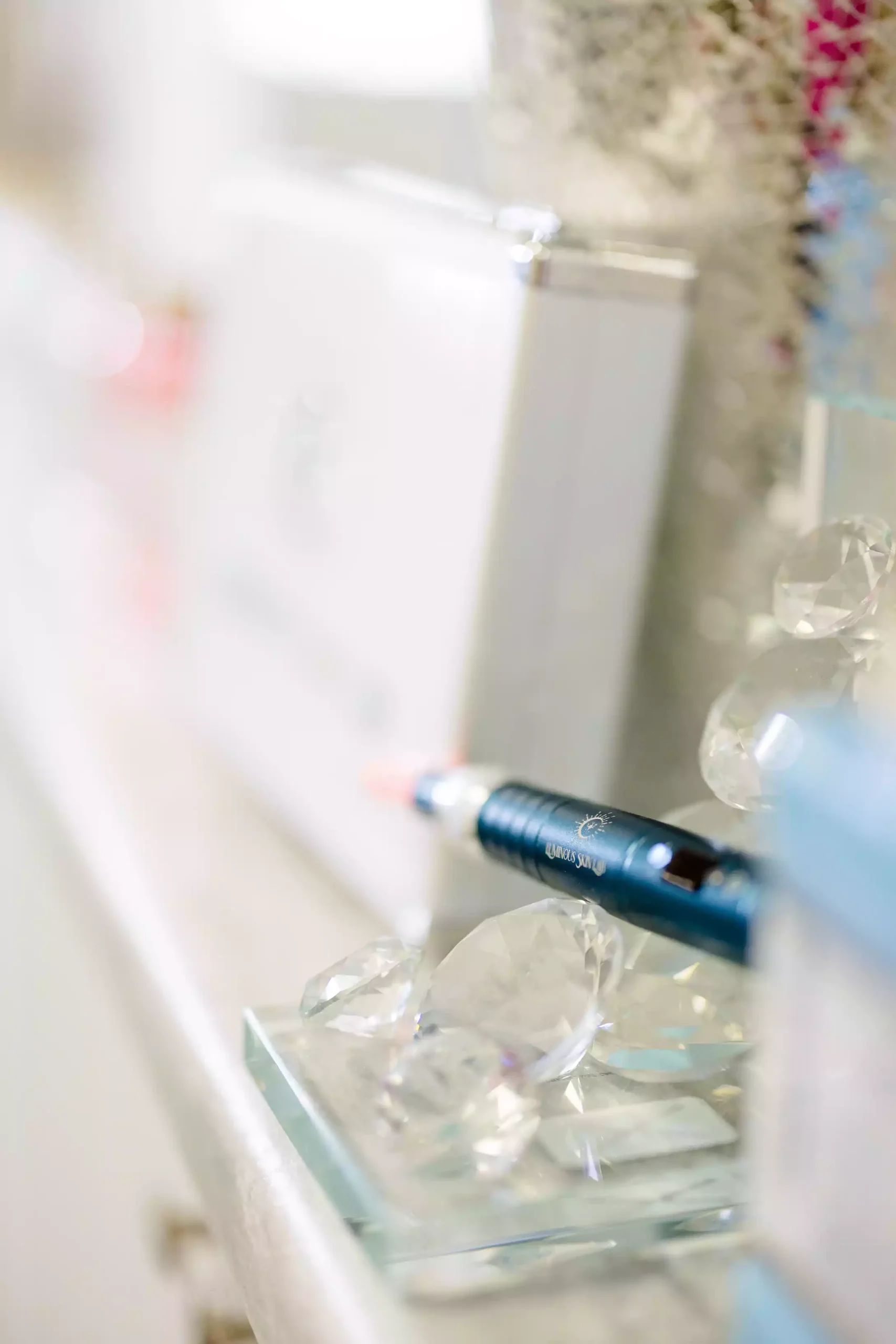
ILUMIPEN’s professional-grade ampoules combine these actives to optimize cellular renewal with minimal irritation, making them ideal for post-microneedling and nano-infusion recovery protocols.
What Is the Best Serum to Use with Microneedling?
The best serums for microneedling contain humectants, peptides, and regenerative factors that improve firmness, elasticity, and barrier recovery. These microneedling-safe ingredients work in harmony with the skin’s natural repair cycle and don’t overstimulate.
The table below compares key active ingredients that are safe and effective after microneedling or nano-infusion.
| Ingredient | Function | Professional Use |
| Hyaluronic Acid | Restores moisture | Adds immediate suppleness and softness |
| Peptides | Supports collagen rebuild | Improves tone and firmness |
| Polyglutamic Acid (PGA) | Deeply hydrates and enhances moisture retention | Improves skin elasticity, smoothness, and barrier resilience |
| Panthenol (B5) | Protects and calms | Soothes fragile post-treatment skin |
| Growth Factors | Activates cell renewal | Enhances elasticity and smooth texture |
Are Hyaluronic Acid and Peptides Safe for Microneedling?
Hyaluronic acid is one of the most effective ingredients to pair with microneedling for post-treatment hydration and repair. It rapidly replenishes moisture, enhances elasticity, and restores surface comfort within hours. Peptides, meanwhile, support the rebuilding of collagen and elastin fibers — strengthening the skin’s structure and improving firmness over time.
When paired with Polyglutamic Acid (PGA), the results are amplified. PGA holds up to five times more moisture than hyaluronic acid alone, forming a breathable film that locks hydration into the skin. Together, HA and PGA work synergistically to deliver 8–10× deeper hydration, reinforce the barrier, and prolong the skin’s post-treatment glow. When combined with peptides, Poly-Luronic™ (PGA + HA) enhances plumpness, resilience, and long-term radiance — making it the ideal formulation for microneedling recovery, repair, and rejuvenation.

Can Nano-Infusion Use the Same Serums as Microneedling?
Yes. Both procedures achieve optimal results with sterile, water-based serums. The difference is in depth and viscosity. Key distinctions include:
- Nano-infusion works on the surface, so it works well with lighter, faster-absorbed serums that focus on hydration.
- Microneedling reaches deeper layers; therefore, it benefits from denser formulations enriched with peptides or growth factors.
Ingredients to Avoid Post-Treatment
After microneedling or nano-infusion, the skin is in a state of active repair. The surface barrier is open, and the deeper layers are sending repair signals. At this stage, professional guidance must focus on protection rather than stimulation.
The post-procedure routine should be minimal, calming, and free from aggressive or acidic components that interfere with healing.
What Not to Use After Microneedling?
Products suitable for daily use may now cause discomfort such as burning, tightness, or redness. To ensure proper healing and barrier stability, the following ingredients must be avoided for at least five to seven days:
- Retinol and retinoids — too much cell turnover can cause peeling or inflammation;
- Vitamin C (acidic formulations) — creates a low pH environment that hinders collagen repair and barrier recovery;
- AHAs and BHAs — acids like glycolic, salicylic, and lactic remove surface cells too aggressively;
- Alcohol-based toners or exfoliants — deplete moisture and disrupt lipid balance during the recovery phase;
- Fragrance and essential oils — increase the risk of irritation or allergic reactions in sensitive skin;
- Occlusive oils — form a thick film that traps heat and bacteria, preventing oxygen from reaching the healing tissue.
Professionals should educate clients about what not to use after microneedling so the skin barrier can recover optimally.
Is Vitamin C Safe Right After Microneedling?
Not immediately. Vitamin C is an antioxidant that promotes collagen production and brightening. But its acidic structure can make the fresh skin sting or burn. For the first few days after microneedling, the skin barrier is too sensitive for that kind of stimulation.
Professionals should recommend that clients delay vitamin C application until the redness subsides and the skin is calm and even. At that point, introduce buffered, gentle derivatives such as magnesium ascorbyl phosphate or sodium ascorbyl phosphate.
These stabilized forms provide antioxidant protection and brightening benefits without irritation. Begin application every other day, and finish with a soothing moisturizer to lock in hydration and support barrier recovery.
Can I Exfoliate After Nano-Infusion or Microneedling?
Exfoliation too soon after treatment can compromise results. Both nano-infusion and microneedling already stimulate natural cellular renewal, so exfoliating too soon can remove immature cells before they form a stable surface layer. The skin must be allowed to rest and complete its internal recovery process.
Once stable, exfoliate with gentle enzymatic or low-concentration acid products, not mechanical scrubs. Always watch for skin tolerance and follow with hydrating and barrier repair products.
Professional-Grade Formulations + Aftercare for Best Results
A high-quality procedure represents only half of a successful outcome. The other half is structured aftercare and the correct choice of professional skincare products. Proper aftercare for microneedling and related treatments reinforces the treatment results and protects the skin during the recovery period.
Professional formulations with nano-infusion actives act as a bridge between in-clinic treatments and home care. These concentrated blends hydrate, rebalance, and preserve the results achieved in the clinic. Each product supports the skin’s natural barrier and extends the rejuvenation effect.
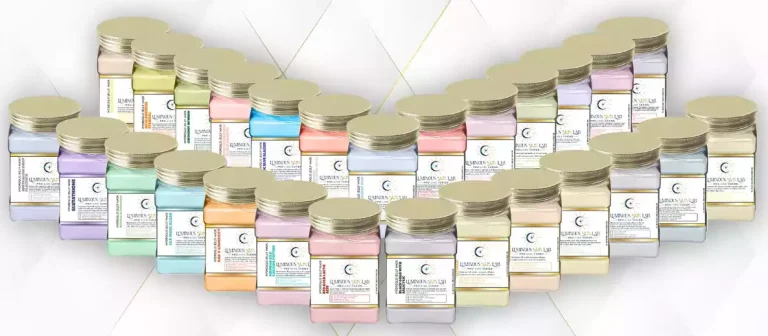
Many leading aesthetic brands develop both medical-grade devices and their accompanying skincare lines to ensure compatibility and predictable results. Luminous Skin Lab sterile ampoules are an example of this. They are designed for both microneedling and nano-infusion. Their key benefits include:
- Each ampoule is quality-controlled to ensure purity and consistency.
- The formula gradually penetrates and delivers nutrients to the deeper layers of the skin.
- Within a few days, tone and texture will look smoother and more even.
Using professional products in post-procedure care helps to maintain the glow and longevity of the results. This combination strengthens the skin and gives a longer-lasting, healthy, and luminous skin that matches the client’s expectation of advanced professional skincare.
What Is the Best Aftercare Routine After Microneedling?
Aftercare is key to how well the skin recovers after treatment. The main focus is hydration, barrier repair, and balance in the epidermis. For the first 3 days, professionals should advise clients to avoid any products or actions that can irritate or overstimulate the skin.
Key aftercare points are:
- Gentle cleansing. Use a mild, sulfate-free cleanser with cool water to remove residue. No scrubs, cleansing brushes, or wipes;
- Deep hydration. Apply a hyaluronic acid serum microneedling or peptide complex to attract and retain moisture in the skin;
- Barrier reinforcement. Follow with a moisturizer that contains ceramides, panthenol, or squalane. These ingredients preserve hydration and strengthen the skin’s surface;
- Daily protection. Apply a mineral-based sunscreen with SPF 30 or higher every morning. Physical filters like zinc oxide or titanium dioxide prevent UV irritation;
- Makeup restriction. Advise clients to avoid foundation or powder for at least 24 hours, as these products can block pores and interfere with recovery;
- Internal hydration. Encourage customers to drink enough water and stay away from hot places like saunas or steam rooms for the first 48 hours.
How Soon Can Clients Apply Skincare or Makeup After Nano-Infusion?
Timing is the most important factor after nano-infusion treatments. You need to guide clients toward a safe return to regular skincare and makeup use without compromising results.
The following chart shows when specific product types are safe to bring back in, and what formulations remain most suitable during each stage of recovery.
| Product Type | When to Resume | Recommended Option |
| Moisturizer | Immediately after the treatment | Choose a light, sterile cream that has ceramides or panthenol in it |
| Hydrating Serum | After 24 hours | Introduce a hyaluronic acid or peptide serum to replenish moisture and help the skin repair |
| Sunscreen | After 24 hours | Use a mineral SPF 30+ that has zinc oxide or titanium dioxide to protect the barrier from UV exposure |
| Makeup | After 24–48 hours | Stick to breathable mineral powder instead of heavy liquid foundation, so the skin can get some oxygen |
| Active Serums (Vitamin C, Retinol, Exfoliating Acids) | After 5–7 days | Reintroduce advanced actives slowly, starting with mild concentrations and increasing gradually as tolerance builds |
Which Professional Serums Give the Best Long-Term Glow?
Professional nano infusion serums give more consistent and visible results than regular skincare products. They are sterile, lightweight, and designed to hydrate and regenerate the epidermis without irritation.
According to the Journal of Clinical and Aesthetic Dermatology, professional-grade ampoules used with microneedling-assisted delivery increase absorption and treatment effectiveness.
For clients looking for long-term glow, consider the following serums:
- ILUMIPEN Ampoules. Each ampoule contains a balanced blend of peptides, vitamins, and hydrating agents for optimal post-treatment results.
- Peptide-Rich Formulas. Reinforce collagen renewal and improve skin firmness and texture.
- Niacinamide-Based Serums. Minimize redness and restore clarity for an even complexion.
- Growth Factor Blends. Support cellular renewal and elasticity over time.
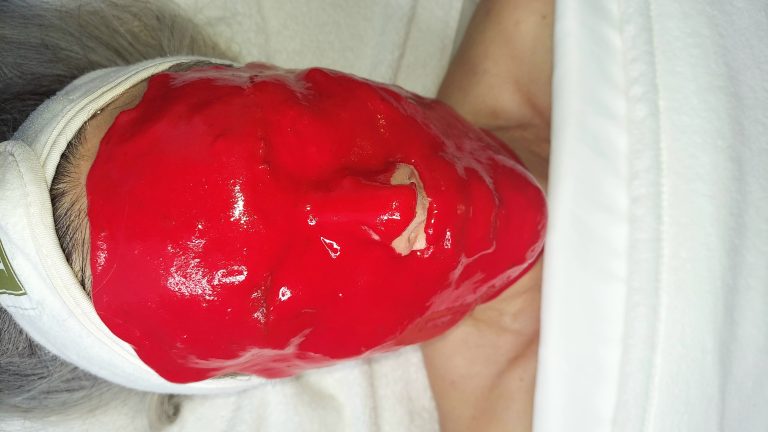
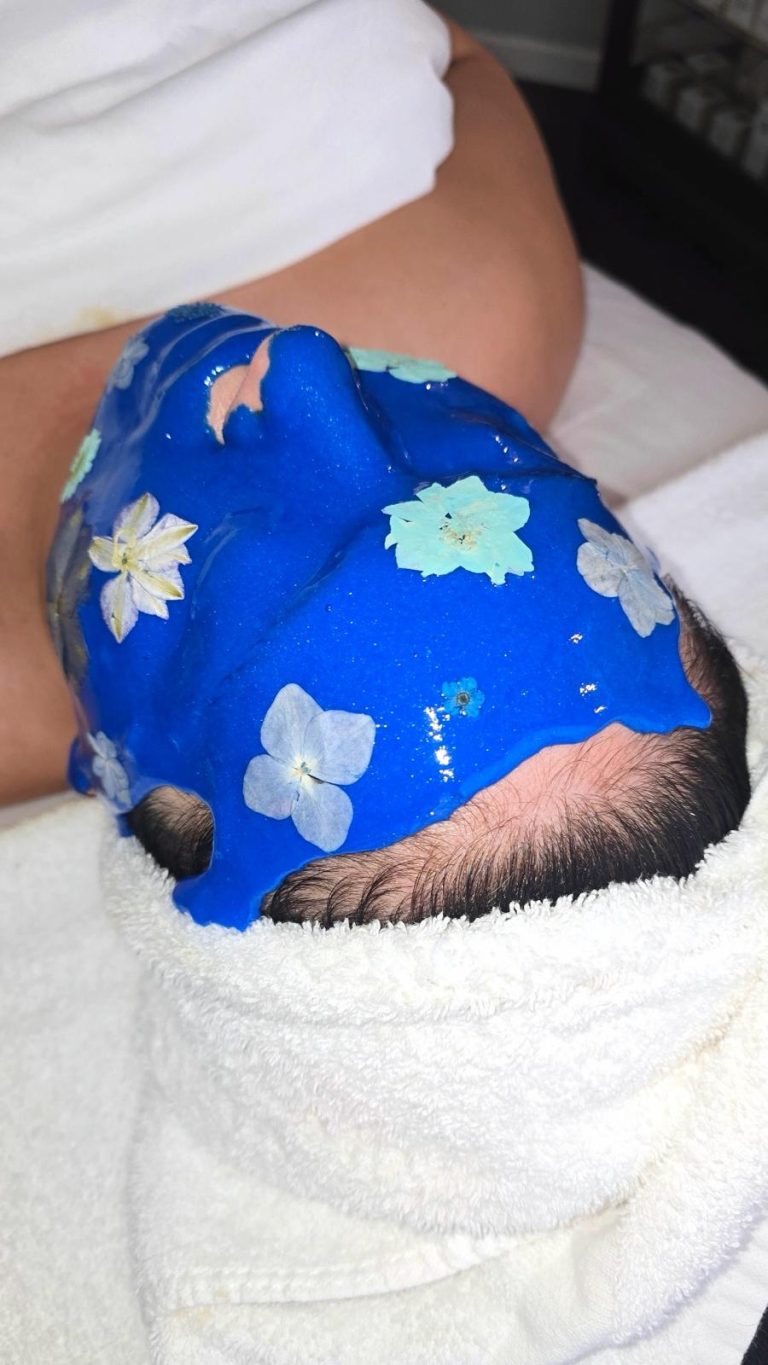
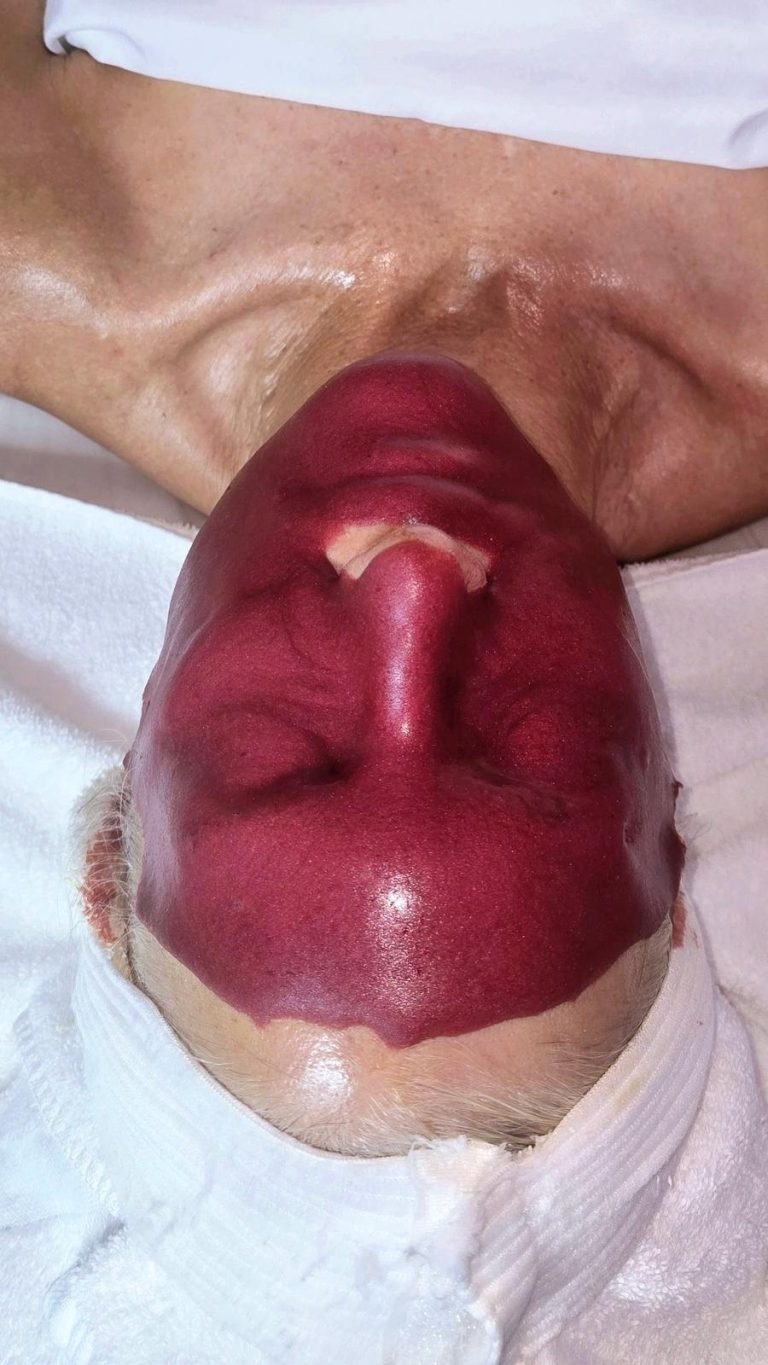
- Hyaluronic Acid Infusions (HA Recovery Gel Mask). Deliver intense hydration and a soft, dewy finish. Can be applied immediately after microneedling and in the days following treatment to prevent dryness, support barrier repair, and promote deep healing.
Conclusion – The Right Serum Makes the Difference
The skincare ingredients used after microneedling or nano-infusion play a crucial role in determining the final outcome — and how long those results last. Safe, targeted formulas support repair, boost hydration, and encourage healthy collagen production, while harsh ingredients can compromise the skin barrier and diminish the benefits of treatment.
When it comes to microneedling and nano-infusion, accuracy and purity matter most. ILUMIPEN Ampoules deliver both — enhancing absorption, ensuring safety, and promoting visible, long-lasting skin renewal with every session.

Frequently Asked Questions
Sterile, water-based serums remain the most appropriate choice. They calm and hydrate the skin while maintaining barrier stability. Hyaluronic acid, peptides, and niacinamide restore comfort and firmness without causing irritation.
Avoid retinol, strong vitamin C, exfoliating acids (AHAs and BHAs), alcohol, fragrance, and heavy occlusive oils. These ingredients can compromise the skin barrier and delay recovery.
Not immediately. Wait until the skin has calmed and any visible redness has subsided before reintroducing these actives.
Introduce potent actives gradually, typically after 5–7 days. Moisturizers and mineral-based sunscreens may be applied within the first 24 hours.
Yes. Luminous Skin Lab ampoules are sterile, fragrance-free, and alcohol-free. They remain completely safe for sensitive or freshly treated skin.