A common question among skincare professionals and clients alike is: How often should microneedling or nano-infusion treatments be performed? Both modalities activate the skin’s natural regenerative processes, but they differ in depth, intensity, and recovery time.
Microneedling treatments are typically scheduled every 4–6 weeks to allow for collagen remodeling and dermal repair. Nano-infusion, on the other hand, offers a gentler, non-invasive approach that can be performed weekly or biweekly to maintain optimal hydration, barrier support, and cellular renewal.
Understanding each treatment’s recovery cycle and cellular response allows professionals to tailor frequency with precision — achieving visible, long-lasting results while preserving the skin’s integrity and glow.
Ideal Treatment Frequency and Series
Before a professional microneedle or nano-infusion program, it is important to define the correct treatment frequency. Both procedures provide visible rejuvenation but differ in interval and intensity due to the depth of penetration.
Each protocol follows evidence-based standards recommended by dermatology experts. Let us explore how often each method should be applied to achieve the most balanced and predictable results for every client.
Microneedling
Microscopically controlled micro-injuries form within the dermis during microneedle therapy. These precise channels activate the synthesis of collagen and elastin. So, it is essential to recognize that this process requires sufficient time for full recovery. The skin must complete its regeneration cycle between sessions to achieve optimal structural improvement.
A standard course includes three to six procedures, which provide visible strengthening and refinement of skin texture. Then, the program continues in a maintenance phase. The frequency is determined according to individual characteristics and specific rejuvenation goals.
Each interval between treatments allows full collagen maturation, which is essential for stable and lasting results. Shortening the gap may interfere with natural regeneration and reduce the overall effectiveness of the procedure.
Nano-Infusion
Nano-infusion provides a precise effect on the skin while remaining gentle and non-traumatic. As a result, ultra-thin micro-channels form within the stratum corneum. Through these pathways, active ingredients reach the epidermis and act exactly where support is required. Visible improvement appears immediately after the procedure — the skin becomes more hydrated, nourished, and resistant to external factors.
The controlled effect of the technology provides several practical advantages:
- It improves hydration and increases skin permeability for professional formulations.
- It effectively complements microneedle procedures, especially during the recovery phase when deep stimulation is not advisable.
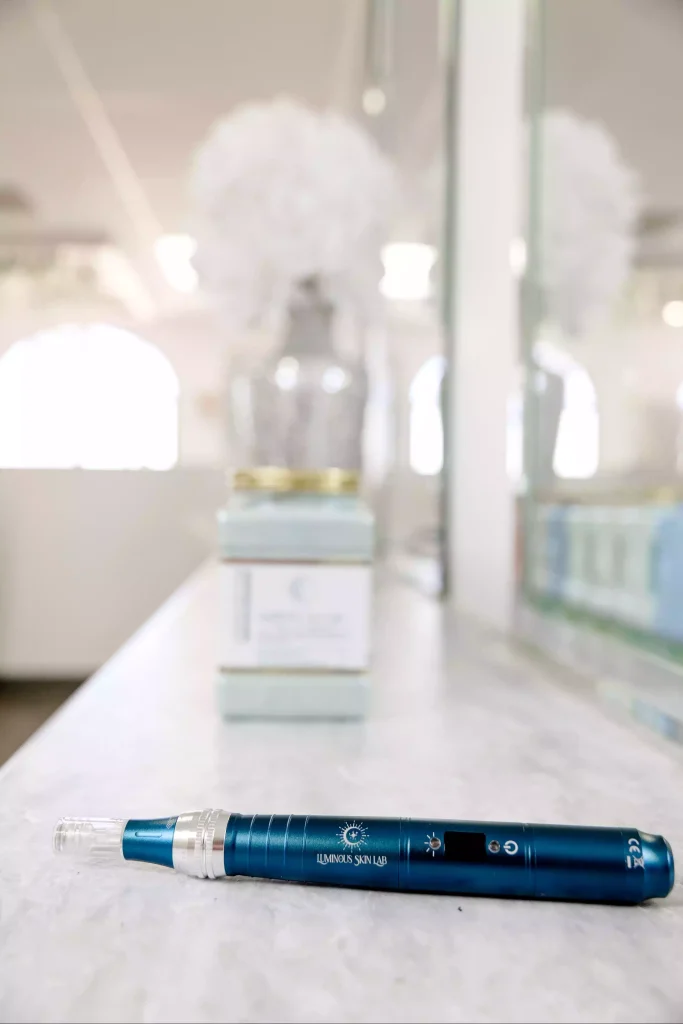
The ILUMIPEN protocol allows flexible combination of microneedle and nano-infusion modes within one integrated care program. This approach creates a balanced therapy strategy that aligns with the individual characteristics and needs of each client’s skin.
How Often Should You Do Microneedling?
Microneedle therapy provides visible improvement after the first session. However, to achieve a truly significant effect on the skin, it is advisable to repeat the procedure every four to six weeks. This period allows the skin to recover fully and complete collagen synthesis. As a result, the skin becomes firmer, and its texture improves.
Of course, the schedule may vary depending on individual characteristics, initial skin condition, sensitivity, and desired outcome. It is essential to keep in mind the minimum interval between sessions, which equals one month.
Key reasons to maintain proper timing include:
- The collagen production cycle requires time to complete before new stimulation begins.
- Excessively frequent sessions may overload the skin and cause irritation or inflammation.
- A four- to six-week interval supports full collagen maturation and ensures consistent, long-term results.
Can Nano-Infusion Be Done More Frequently?
If compared with microneedling, nano-infusion appears as a gentler and more delicate method that still delivers high efficiency. This makes it an ideal part of a collagen maintenance schedule, as the procedure may be performed more often without risk for the skin. It maintains moisture balance, gives the skin a healthy glow, and fits perfectly into a structured care program focused on collagen support. The effect appears clear, and the procedure may even be called universal because it:
- affects only the upper skin layers while remaining safe and comfortable;
- improves serum absorption and helps maintain stable hydration levels;
- requires no recovery period — the client may return to normal activities immediately after the session.
How Many Sessions Are Needed for Visible Results?
Both microneedling and nano-infusion deliver visible enhancement after the first procedure, yet a consistent and lasting transformation develops through a structured series of treatments.
To maximize results, microneedling works best as a series of three to six sessions. This schedule promotes collagen remodeling and ensures noticeable, long-lasting improvement in skin texture, firmness, and overall tone. Nano-infusion, in contrast, offers a gentler effect — providing an immediate boost of hydration and radiance, with continued improvement after each subsequent treatment.
Within the ILUMIPEN treatment plan, both modalities complement one another seamlessly: microneedling stimulates collagen production, while nano-infusion replenishes the skin with moisture, peptides, and essential nutrients for optimal rejuvenation.
To summarize all the above, the recommended schedules and primary applications for each technology appear below.
| Treatment Type | Frequency | Key Benefits | Downtime | Best For |
| Microneedling | Every 4–6 weeks | Stimulates collagen, tightens skin | 2–5 days | Texture refinement, firmness, reduction of scars |
| Nano-Infusion | Every 1–2 weeks | Restores hydration, improves serum absorption | None | Hydration, radiance, maintaining glow |
Together, these treatments support continuous regeneration and help maintain the skin’s firmness, smoothness, and natural luminosity over time.
Maintenance Sessions for Long-Term Results
After visible improvement appears through microneedle therapy and nano-infusion, the next stage focuses on preservation and long-term skin health. Maintenance sessions help secure the achieved results and keep the skin firm, balanced, and radiant.
The most effective method combines both procedures within a structured care plan. Microneedle therapy rebuilds the dermal foundation and supports collagen renewal from within. Nano-infusion sustains surface hydration and helps the skin retain an even glow.
How Often Should You Maintain Microneedling Results?
After the initial course, microneedle therapy provides the best long-term benefits when performed every three to four months. This interval matches the natural collagen renewal cycle and gives the skin enough time to complete recovery before a new session.
When the focus shifts to the maintenance phase, the goal moves from creating visible change to preserving achieved results. Each subsequent session not only reinforces previous improvement but also continues to enhance the skin condition. The progress becomes more stable over time, leading to refined pores, smoother texture, and a more even tone. As a result, the skin retains firmness and elasticity for a longer period.
It is essential to remember that such consistency can be achieved only with the use of a professional device. ILUMIPEN ensures precise control throughout maintenance sessions. The system allows specialists to define exact depth and intensity parameters that sustain skin condition rather than simply repeat the initial treatment settings.
What’s the Best Microneedling Maintenance Plan?
The most effective maintenance plan combines structure and flexibility. Each person’s skin renews at a unique pace, so the schedule must reflect this natural rhythm. Below is a framework that helps maintain results throughout the year:
- Every 3–4 months — one microneedle session to reinforce collagen.
- Every 1–2 months — one nano-infusion session to restore hydration and radiance.
- Once a year — a short refresh course of two or three microneedle procedures to preserve structural balance.
Can You Alternate Microneedle Therapy and Nano-Infusion?
Yes. Both methods complement each other perfectly. Microneedle therapy restores dermal structure beneath the surface, and nano-infusion maintains hydration at the upper levels.
This alternating rhythm, supported by recommendations from Dermatologic Surgery, keeps the skin in continuous renewal without unnecessary stress.
Microneedle therapy can take place every few months, with nano-infusion sessions scheduled in between. The lighter treatment helps recovery and enhances the long-term effect of deeper collagen renewal.
Seasonal Skincare Adjustments
The skin responds to seasonal changes as distinctly as it does to professional treatments. Temperature, humidity, and sunlight directly influence how the epidermis absorbs nutrients and restores balance. To maintain healthy and stable skin throughout the year, the care plan must adapt to seasonal skincare timing. This approach ensures that each treatment provides maximum benefit under the specific environmental conditions of every season.
What Is the Best Time of Year for Microneedling?
The best time for microneedling is during autumn and winter. Lower sun exposure reduces the risk of post-procedure pigmentation and allows the skin to recover without additional stress from UV radiation. Cool, mild air keeps the skin calmer and minimizes inflammation, which helps redness subside faster and healing progress more smoothly.
Dermatologists from the American Academy of Dermatology often recommend completing a full microneedle course in these cooler months. This schedule helps rebuild collagen before spring, leaving the skin stronger and more resilient for the upcoming warmer season.
Professional systems such as ILUMIPEN provide full control over needle depth and speed, allowing specialists to adjust treatment parameters according to the season and safely reach deeper layers when sunlight remains weak.
Can You Get Microneedling in Summer?
Yes, but additional protection is required. Microneedling in summer demands careful planning and strict adherence to post-care guidelines. After each session, the skin becomes more reactive to sunlight, which makes daily application of broad-spectrum SPF essential.
After the procedure, it is crucial to protect the skin from sunlight not only on the day of treatment but also for the following several days. Ideally, the session should take place in the evening. Alternatively, it may be scheduled during a period of mild climate when solar activity remains low. Excessive heat may interfere with the desired outcome or make the result less predictable. The reason lies in the fact that hot weather causes rapid moisture loss, which makes hydration a key element of the recovery process.
Antioxidants and light moisturizing formulas help the skin remain balanced, calm, and comfortable throughout this period.
Is Nano-Infusion Suitable for Hot, Humid Seasons?
Nano-infusion is particularly suitable for the warm season. The procedure remains non-traumatic and acts only on the upper skin layers. This means it does not cause photosensitivity and requires no recovery time. For this reason, the course may be completed without concern even during hot summer months, without limiting sun exposure.
Moreover, performing the procedure in summer becomes especially beneficial. When the weather is hot and humid, the skin tends to lose moisture and compensate through increased sebum production. Nano-infusion restores balance effectively. Active formulas with hydrating and nourishing ingredients penetrate the epidermis and help maintain skin comfort. As a result, the skin remains clear, smooth, and fresh even under extreme environmental conditions.
To keep the skin healthy, hydrated, and balanced throughout the year, it is reasonable to follow a flexible care plan based on a seasonal skincare timing approach. This plan may and should be adjusted according to the skin’s current condition and specific needs.
| When | Recommended Treatment | Frequency | Focus | Skin Benefit |
| Fall / Winter | Microneedling | Every 4–6 weeks | Deep collagen renewal | Stronger texture Fewer visible lines |
| Spring / Summer | Nano-infusion | Every 1–2 weeks | Hydration and radiance | Softer surface balanced moisture |
Conclusion – Consistency Creates Confidence
The golden rule that leaves no room for debate states that only regular care ensures lasting skin improvement. Indeed, the number of procedures matters less than rhythm and consistency. Balance remains essential: too frequent sessions may overload the skin, while long breaks may diminish the achieved results.
The good news is that professionals can always determine an individual pace that supports the skin’s natural renewal cycle. In this case, a genuine radiant effect becomes attainable not through aggressive methods but through a balanced approach that combines structural recovery and hydration maintenance. When this harmony is preserved, the skin stays healthy, firm, and luminous in every season.
Technology also plays a decisive role. The ILUMIPEN system preserves balance through deep collagen stimulation during winter and controlled restorative care during summer. This approach provides precise seasonal adaptation for every skin type.
Frequently Asked Questions
It is best to maintain an interval of about 4–6 weeks. This period allows the skin to renew completely and produce new collagen without excessive irritation.
Yes, and this approach effectively maintains balance between deep stimulation and hydration. Microneedling strengthens skin structure, while nano-infusion helps preserve moisture and barrier integrity. Ideally, microneedling should be performed once every 4–6 weeks, and nano-infusion sessions may take place between treatments to provide gentle skin support.
Autumn and winter are considered the best time for microneedling, as reduced UV exposure minimizes the risk of post-procedure pigmentation. Cooler temperatures also support faster healing and reduced inflammation.
Noticeable improvement often appears after two or three sessions. For optimal structural refinement and collagen renewal, a series of three to six sessions spaced four to six weeks apart is recommended.
Yes. Nano-infusion remains gentle and non-invasive, suitable for weekly or biweekly sessions. It supports hydration, enhances nutrient delivery, and requires no recovery period.
Side effects are minimal and transient. Clients may observe mild redness or warmth immediately after treatment, which subsides within minutes. The procedure remains safe even for sensitive skin.
Yes. Microneedling effectively minimizes the appearance of acne scars by stimulating new collagen formation and improving dermal structure. Noticeable results generally require a series of three to six treatments.